Hey everyone, it’s Jake from the disposable paper tableware crew, and let’s cut to the chase—if you’re in the F&B game, event planning, or even running a small café, you’ve definitely seen disposable paper tableware everywhere lately. But here’s the thing: it’s not just the “lazy” eco-friendly alternative to plastic anymore. It’s a whole category that’s grown way beyond basic white plates and flimsy cups, and the marketing around it? It can make or break whether a spot picks your brand over the next guy. I’ve been on this supplier side for 8 years now, and I’ve tested so many tactics—some worked, some flopped hard, and today I’m spilling the tea on what actually moves product right now. Disposable Paper Tableware
First off, let’s talk about the elephant in the room that everyone’s been obsessing over lately: sustainability. But not the “greenwashing” kind that just says “compostable” without any proof. Customers—both the businesses buying from us and the end consumers—are way too sharp for that nonsense now. Like, last quarter we lost a small chain of urban coffee shops because a competitor was throwing around “zero waste” claims and had third-party certification, while we just said “it’s paper” and left it at that. Total rookie move. So the biggest strategy we nailed this year was ditching the vague eco jargon and leaning into verified, specific sustainability facts. For example, we label every single SKU we sell with BPI compostable certification, and the raw material is FSC-certified paper from responsibly managed forests. We also post short, unfiltered Reels and TikToks of our factory team testing how our cups break down in a commercial compost pile (no fancy editing, just real footage of us leaving a cup in a bin outside our warehouse and checking back a month later—way more trust than a glossy ad). And for our B2B clients, we send a 1-page PDF that breaks down exactly how much CO2 their business saves by switching from petroleum-based plastic to our tableware—like, a 100-café chain using our cups cuts 12 tons of carbon a year. That’s concrete, not fluff, and it’s been our top lead generator for the last 6 months.
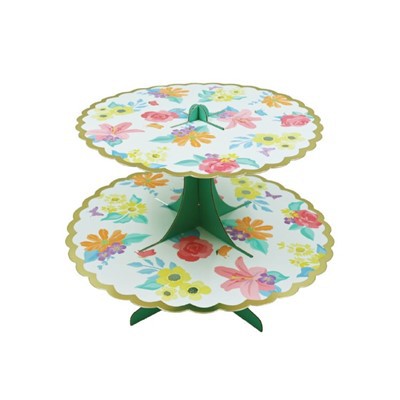
Next up, niche targeting—this is where we stopped treating all clients the same and started speaking directly to specific groups, because generic marketing gets ignored instantly. Let’s break down the big ones that are killing it for us right now. First, the fast-casual fast-casual and ghost kitchen crew. Ghost kitchens are exploding right now, and they need tableware that’s not only durable enough to hold a loaded burger or spicy pho, but also looks good for Instagram—because every order’s a potential post. We don’t just send them catalogs; we put together free sample bundles that include our matte black bowls with custom lids (perfect for TikTok food reels) and our leak-proof coffee cups with compostable lids, plus a free social media graphic pack they can plug right into their accounts. Last month, a ghost kitchen in Austin ordered 500,000 units just because we added a graphic of their ghost kitchen’s logo on a sample cup—they didn’t even have to design it themselves. Second, small event planners—think backyard weddings, birthday parties, and local farmers’ markets. These folks don’t want to buy a bulk 10,000-piece box of plates that will last them 5 years. They want smaller, customizable packs, and they care about matching their event theme. So we created a “theme pack” line—like boho floral for weddings, retro neon for 90s parties, and earthy tones for farmers’ markets—all pre-packaged in 100-piece sets, so they don’t have to mix and match. We also partner with micro-influencers in the event space (not the 1M-follower ones, the 10k-50k ones that actually post about local events) to show these packs in action. One influencer in Denver did a backyard wedding reel using our floral plates, and we got 12 new event planner clients from that single post. Third, school and youth sports leagues—they need durable, cheap, and sustainable tableware for concession stands, and they have super tight budgets. We created a “league pack” discount that’s 15% off for nonprofits and schools, and we donate a free case of plates to every league that orders 500+ cases. It’s a win-win—they get a good deal, we get consistent repeat orders, and we get good PR in the local community.
Then there’s product experience—people buy with their eyes first, but they stay for the quality. For disposable tableware, if a cup leaks when it’s full of soda, or a plate bends under a hot pizza, you’re done. So we stopped just selling a product and started selling “no-hassle” performance. We do free 7-day trial runs for all B2B clients—they can order a small test case of any product, use it for a week in their space, and send it back if it doesn’t work, no questions asked. Last year, a pizza place in Chicago tried a competitor’s plate, said it bent under a large pie, and switched to ours after our trial—they’ve been ordering from us ever since. We also do custom “performance tests” for big clients—like, for a national salad chain, we tested how our bowls hold up for 2 hours while being carried, how they look when covered in dressing, and how they stack without taking up extra space in their takeout bags. We send them a short video of the test, and that’s what sealed the deal, not a price sheet. And for end consumers (who actually drive B2B demand because they ask businesses for sustainable tableware), we started putting a “use test” sticker on every retail-size sample we send out—like a small pack of cups with a sticker that says “Try filling with hot coffee, no leaks guaranteed or your money back.” It works because people don’t have to wonder if it’s good—they test it themselves.
Pricing strategy is another big one that most disposable tableware suppliers get wrong. They either price so low that the product feels cheap, or so high that businesses think it’s only for premium brands. We landed in the middle, but with a twist: volume-based loyalty. So if a café orders 100,000 units a month, they get 10% off, and if they hit 500,000 units a quarter, they get an extra 5% discount plus a free case of custom printed cups for their next order. That encourages repeat business, not just one-time buys. We also have a “budget-friendly” line that’s still FSC-certified and BPI compostable, but made with a slightly thinner paper for clients who are super price-sensitive—we don’t skip on sustainability, but we adjust the quality to fit different budgets. For example, a food truck that’s just starting out can get our entry-level line for $0.05 a unit, while a high-end restaurant can get our premium heavy-duty line for $0.12 a unit. It’s not one-size-fits-all, and that’s why we’ve got clients ranging from food trucks to national chains.
Digital marketing, but not the boring kind. We don’t run just Google Ads that say “Buy Disposable Paper Tableware”—we run content that solves actual problems our clients have. Like, a blog post titled “5 Ways to Reduce Food Waste with Disposable Tableware” (we talk about stacking cups to save storage space, choosing leak-proof bowls to avoid spills, etc.), or a YouTube video titled “How to Brand Your Ghost Kitchen with Disposable Tableware” (showing how to print logos, match colors, etc.). We also use Instagram and Pinterest a lot for visual inspiration—our Pinterest board has ideas for event themes, takeout packaging, and table settings that use our products, and it’s our second-biggest source of B2B leads after referrals. Another tactic we do is user-generated content (UGC) campaigns. We ask our clients to post photos or videos of our tableware in use, tag us, and use a specific hashtag, and every month we pick the best one and give them a free $500 credit toward their next order. Last year, a coffee shop in Portland posted a photo of their latte on our custom printed cups, and that post got shared 2,000 times, leading to 30 new clients that month. UGC is way more trusted than our own ads, so we make it easy for people to do.
Wait, let’s not forget about referrals. Word of mouth is still the most powerful marketing tool, especially in the F&B and event industry. So we created a referral program: if a current client refers a new client that orders over 10,000 units, both the referrer and the new client get $200 off their next order. It’s simple, it works, and because we’ve built good relationships with our clients, they’re happy to refer us. Last quarter, 30% of our new leads came from referrals, which is way more than any paid ad.
Now, let’s be real—nothing’s perfect, and we’ve had our share of flops. Early on, we tried running big trade show booths with fancy displays, but most of the attendees were just grabbing free swag and not actually ordering. We switched to smaller, local trade shows targeted at our niche clients (like coffee shop expos, event planning conferences) and that’s way more effective. We also used to send generic catalogs to every business in the food industry, but we stopped that and started researching potential clients first—like, if we see a coffee shop that’s posted about sustainability on their social media, we reach out with a custom offer tailored to them, not a generic email. That small personalization makes a huge difference.

So putting it all together, the key marketing strategies for disposable paper tableware right now are: skip the greenwashing and go for verified sustainability, target niche groups instead of everyone, focus on product experience and performance not just price, use UGC and referrals for trust, and make digital content that solves actual problems. At the end of the day, businesses don’t buy tableware—they buy a solution to their takeout, event, or concession stand needs, and if you can show them that your product meets their needs, is sustainable, and won’t break the bank, you’re going to win.
Disposable Paper Tableware If you’re a café, ghost kitchen, event planner, school, or any business looking for reliable, sustainable disposable paper tableware, we’d love to chat about your needs. Feel free to reach out to discuss bulk orders, custom branding, or bulk pricing for your team.
CHARMPEAK SDN. BHD.
As one of the leading disposable paper tableware manufacturers and suppliers in Malaysia, we also support customized service. With abundant experience, we warmly welcome you to buy discount disposable paper tableware from our factory. If you have any enquiry about quotation, please feel free to email us.
Address: NO 11, LOT 60952No:, KAWASAN PERINDUSTRIAN, LOT 60952, Jalan Wawasan 4/Ku7, Sungai Kapar Indah, 41400 Klang, Selangor, Malaysia
E-mail: sales03@charmpeak-factory.com
WebSite: https://www.charmpeak-factory.com/
