Alright, let’s get real here—have you ever stopped to think about that metal box you dump your backpack into between classes? The one that’s probably scuffed up from a thousand textbook shoves, a stick of gum or two stuck to the bottom, and maybe a random grocery receipt from last week’s lunch? I work with school lockers every single day, so I’ve had way too many late nights troubleshooting them with facilities teams and talking to kids who just discovered their locker won’t open for the third week straight. Let’s break down how these things actually work, no boring textbook jargon, just the real deal from someone who sells and fixes them for a living. School Lockers
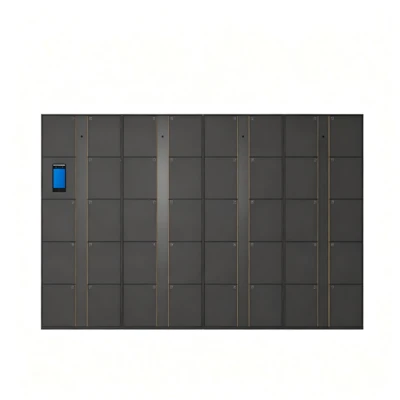
First off, let’s skip the “they’re just metal boxes” take. If that was true, every locker would last as long as a soda can, and schools wouldn’t drop thousands of dollars on new ones every 5 years. Let’s start with the core build, because that’s where it all begins. Most standard school lockers are made from galvanized steel—yeah, I know, that sounds like a construction term, but it’s genius for schools. Galvanized steel is dipped in zinc, so it doesn’t rust when some 8th grader spills a water bottle and forgets to wipe it up, or when a kid shoves a wet uniform in there after PE. We rarely use aluminum for standard ones because it dents way too easy—those corner dents on the bottom of lockers? Most of the time that’s a backpack being dropped on them, and steel takes that way better than the flimsy aluminum stuff some cheap suppliers push. The panels are usually 22-gauge or 20-gauge steel, too—22 is thinner, lighter for installing, good for older schools where you don’t want to mess up walls, but 20 is way sturdier for high-traffic high schools where people are slamming locker doors all day.
Then comes the grid system, right? How schools split up hallways into rows and columns of lockers. Most lockers are 12 inches deep, 15 inches wide, and 6 feet tall—standard size that fits a backpack, a few textbooks, and a lunch box without feeling like a closet. But sometimes schools go shorter for lower grades—like 4 feet tall for elementary, since they don’t need all that space for sports gear. The frames are welded together, not screwed, because screws work loose when you’ve got hundreds of kids yanking doors open all day. That’s a big mistake some cheap suppliers make—using bolted frames instead of welded ones. I’ve had so many facilities managers call me up saying their new lockers are already wobbly after a semester, and it’s because the frames weren’t welded right.
Now the fun part: the locking mechanism, and this is where 90% of locker problems come from. Let’s start with the basic combination lock everyone knows—the dial-style ones that look like tiny safes. Most school combination locks use a pin tumbler system, same as a door lock, just simplified. The dial’s connected to a spindle, and when you turn it, it lines up three small metal pins inside with notches on a rotating disc. Once all three pins line up, the lock catches, so you can’t yank it open. But here’s the thing about school combination locks: kids jam them all the time. If you turn the dial too fast, or force it when it’s not lined up, the pins can get stuck, or the spindle bends a little. That’s why I always tell schools to buy lockers with a built-in master key override—because half the time when a kid says “my locker won’t open,” it’s not that it’s broken, it’s that they forgot the combination, or they jammed the lock.
Speaking of built-in locks, that’s what we sell most these days, not just the cheap padlocks kids lose. The standard built-in school locker lock is either a dial combination or a keyed lock, but we also do digital ones for middle and high schools. Digital locks are super popular now because they let kids set their own 4-digit code, and they have a small screen so you can see what you’re typing—no more guessing numbers because the dial’s all worn down from a million fingers. The downside? They run on tiny batteries, so schools have to replace them once a year, but most facilities teams say it’s worth it to cut down on lost combination calls.
Wait, I should also mention the tiny parts that make lockers work, because they’re easy to miss but make all the difference. Every locker door has a latch—usually a spring-loaded bar that catches the frame when you shut it. Those latches are on hinges, right? The hinges are usually heavy-duty, not the flimsy ones you’d see on a cheap toolbox. Why? Because every time a kid slams a locker door (and let’s be real, every middle schooler slams doors), those hinges take a beating. If the hinges are thin, they’ll snap, and suddenly you’ve got a locker door hanging off. We always use continuous hinges on our high-traffic lockers—they run the whole length of the door, not just two tiny screws at the top and bottom. That’s another thing cheap suppliers skip, and it leads to so many service calls.
Also, let’s talk about the little details that affect how lockers actually function, not just how they look. For example, ventilation holes. You’ll see those tiny slits on the bottom and top of locker doors, right? Those aren’t just for decoration—they stop mildew from growing when a kid leaves a sweaty PE uniform in there overnight. If we didn’t put ventilation holes, by the end of the semester, half the lockers would smell like old gym socks, and facilities teams would have to deep clean them every other week. We size the vents just right, too—not too big that someone can stick a hand in and steal stuff, not too small that air can’t circulate. I’ve had a couple schools ask us to skip the vents to make the lockers look smoother, and they always regret it within a month when the mildew hits.
Wait, let’s get into how lockers are installed too, because that’s part of “how they work” for a school setting. Most lockers are installed in banks, right? Like, 5 or 10 lockers next to each other, screwed to the floor and the wall. That’s why they don’t fall over when a kid leans on them or shoves a big backpack in. We also leave a tiny gap between the bottom of the locker and the floor—about 2 inches—for cleaning crews. They can mop under there without having to move every single locker, and if a kid spills something, it doesn’t pool inside the locker’s bottom. That gap is one of those small design choices that makes lockers way more practical long-term, but a lot of new facilities teams don’t know to ask for it.
Now, let’s talk about common issues, because everyone who’s ever used a locker has had one, and it’s not just “my combo won’t open.” Locker jams are the biggest problem. Why do they happen? Usually because something’s stuck in the latch—like a gum wrapper, a pencil, or a chunk of a backpack strap that got caught when the door was slammed. Or the frame of the locker is slightly bent, so the latch doesn’t line up right with the catch. That’s actually pretty easy to fix, most of the time—we just adjust the hinge a little or straighten the bent frame with a rubber mallet. I once got a call from a high school where a kid had stuffed a whole math textbook in his locker, and the weight bent the door just enough that it wouldn’t open. We had to take the lock off, push the textbook out gently, and bend the door back into shape. That’s way more common than anyone thinks.
Another big one: worn-down dials on combination locks. After a few years, the numbers on the dial fade, so kids can’t tell what number they’re turning to, which leads to them jamming the lock. We recommend replacing combination locks every 3 years or so, and digital locks every 5 years, just to keep that functionality up. And for schools where kids keep losing locks, we usually suggest built-in locks for every locker—no more individual padlocks that get left on the bus or forgotten at home.
Let me share a quick real story to make this concrete. Last year, I worked with a middle school outside of Chicago. They had bought cheap lockers from a random online supplier a couple years before, and by the start of the 2023 school year, almost 20% of their lockers were broken. The frames were bolted instead of welded, so they were all wobbly. The hinges were thin, so 12 doors had fallen off mid-semester. The combination locks had no master override, so the front office was spending 2 hours a day resetting combinations for kids who forgot theirs. We replaced all the lockers, went with our standard welded frame, continuous hinges, built-in digital locks, and added extra ventilation to stop the mildew they were getting from the cheap lockers. The principal told me last month that they’ve only had 3 locker issues in the whole school year, and the front office now spends that 2 hours a day on other stuff, like helping kids with schedules. That’s the difference between a quality locker and one that’s just a metal box.
Wait, I should also address a question I get all the time: why do school lockers have that slanted top? Oh right! That’s not just to make it look neat. It’s for two reasons. First, it stops kids from stacking stuff on top of the lockers—textbooks, backpacks, even food—so it doesn’t fall down on someone walking by. Second, it makes it easier to clean the hallway. No more dust bunnies piling up on top of flat lockers, because the slant makes any debris slide off. A lot of people think that slanted top is just a design choice, but it’s functional as hell.
Let’s wrap this up with what I actually do, because I’m not just explaining how lockers work— I’m the guy who helps schools get the right ones that last. If you’re a school admin, facilities manager, or even a teacher who’s sick of dealing with broken lockers every year, you don’t have to settle for cheap stuff that falls apart. A good set of lockers isn’t just a storage solution—it’s something that will last 10+ years, cut down on staff time spent fixing them, and make the whole hallway run smoother.
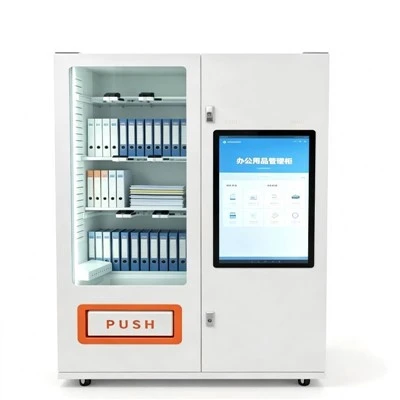
If you’re tired of dealing with wobbly lockers, jammed locks, and broken doors that leave you scrambling to find space for kids, reach out. We work with schools of all sizes, from small elementary schools to big high schools, and we customize lockers to fit your space, your budget, and your needs. Whether you need standard combination locks, digital ones, or even lockers with built-in charging ports for kids’ laptops these days, we’ve got you covered. Just get in touch to chat through what you need, no pressure, no sales fluff, just real advice for making your school’s lockers work the way they should.
Material Cabinet References:
- National Center for Education Statistics. (2022). School Facilities Conditions Report: Storage and Classroom Infrastructure. U.S. Department of Education.
- Steel Manufacturers Association. (2021). Galvanized Steel Applications for K-12 Educational Facilities. SMA Technical Bulletin 419.
- Educational Facilities Laboratories. (2020). Best Practices in Secondary School Locker Design and Installation. EFL Publication 72-03.
- Lock Manufacturers Association. (2019). Functional Performance Standards for School Locking Mechanisms. LMA Industry Guideline 18-07.
Hangzhou Dongjie Intelligent Technology Co., Ltd.
Hangzhou Dongjie Intelligent Technology Co., Ltd. is one of the most experienced school lockers manufacturers and suppliers in China, also supports customized service. Please feel free to wholesale durable school lockers made in China here from our factory. For quotation, contact us now.
Address: 1st Floor, Building 2, No. 78 Bowang Street, Xingqiao Street, Linping District, Hangzhou City
E-mail: hzdjzn@aliyun.com
WebSite: https://www.cndongjiesmart.com/
