In the dynamic landscape of water treatment, Seawater Reverse Osmosis (SWRO) and Brackish Water Reverse Osmosis (BWRO) technologies stand at the forefront of ensuring access to clean and potable water. As a leading supplier of SWRO & BWRO equipment, we are deeply involved in the industry’s development and constantly witness the evolution of related technologies. In this article, we will delve into the new technologies emerging in SWRO equipment development and their implications for the future of water treatment. SWRO & BWRO Equipment
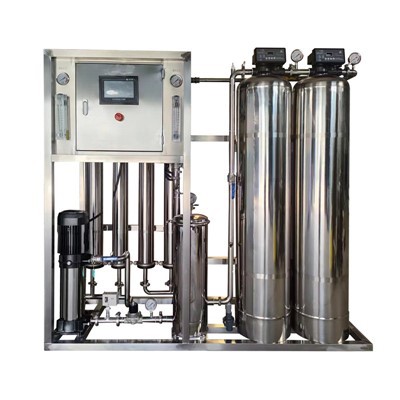
Advancements in Membrane Technology
Membrane technology is the heart of SWRO systems, and recent years have seen remarkable progress. One of the most significant improvements is in the development of high – performance reverse osmosis membranes.
Traditional reverse osmosis membranes have faced challenges such as limited salt rejection rates and relatively low water permeability. However, new generations of membranes are being engineered with advanced materials and manufacturing techniques. For example, thin – film composite (TFC) membranes have been further optimized. Some manufacturers are using novel polymers in the active layer of TFC membranes, which can enhance the membrane’s selectivity and permeability simultaneously. These new membranes can achieve salt rejection rates of over 99.8%, which is crucial for producing high – quality freshwater from seawater.
Another innovation in membrane technology is the development of fouling – resistant membranes. Fouling, which is the accumulation of impurities on the membrane surface, is a major problem in SWRO systems as it can reduce the membrane’s performance and lifespan. New fouling – resistant membranes are designed with surface modifications that prevent the adhesion of particles, scaling agents, and biofilms. For instance, some membranes are coated with hydrophilic polymers or have a rough surface topography that deters the attachment of fouling substances. This not only improves the operational efficiency of SWRO systems but also reduces the frequency and intensity of membrane cleaning, leading to cost savings in the long run.
Energy Recovery Technologies
Energy consumption is a significant concern in SWRO processes, given the high pressure required to force seawater through the reverse osmosis membranes. Fortunately, there have been substantial advancements in energy recovery technologies.
One of the most successful energy recovery devices is the pressure exchanger. These devices work by transferring the pressure from the high – pressure brine stream leaving the reverse osmosis membranes to the incoming seawater feed. This way, a large portion of the energy that would otherwise be wasted is recovered and reused, significantly reducing the overall energy consumption of the SWRO plant.
Some of the latest pressure exchangers are designed with high – efficiency rotors and advanced hydraulic systems. They can achieve energy recovery rates of up to 98%, which is a remarkable improvement compared to earlier models. Additionally, these new devices are more compact and reliable, making them easier to integrate into existing or new SWRO systems.
Another emerging energy recovery technology is the use of advanced pumps with variable frequency drives (VFDs). VFDs allow the pumps to adjust their speed according to the real – time demand of the SWRO system. This means that the pumps can operate at optimal efficiency levels under different flow and pressure conditions, reducing energy waste associated with traditional fixed – speed pumps. By using VFD – equipped pumps in combination with energy recovery devices, SWRO plants can achieve substantial energy savings and lower their carbon footprint.
Automation and Control Systems
In the pursuit of more efficient and reliable SWRO operations, automation and control systems have become increasingly important. Modern SWRO plants are now being equipped with advanced sensors and control algorithms that can monitor and optimize the entire water treatment process in real – time.
Sensors play a crucial role in detecting various parameters such as water quality, pressure, temperature, and flow rate. For example, conductivity sensors can accurately measure the salt concentration in the feed and product water, allowing the control system to adjust the operating conditions of the SWRO system accordingly. pH sensors can also monitor the acidity or alkalinity of the water, which is important for preventing scaling and corrosion in the system.
The control algorithms used in SWRO systems are becoming more sophisticated. They can analyze the data collected from the sensors and make intelligent decisions to optimize the performance of the plant. For instance, the control system can adjust the pressure of the pumps, the flow rate of the feed water, and the operation of the energy recovery devices based on the real – time water quality and demand. This not only improves the efficiency of the SWRO system but also enhances its reliability and reduces the risk of human error.
In addition, remote monitoring and control capabilities are being increasingly integrated into SWRO plants. Operators can now access the plant’s data and control its operations from anywhere in the world using a computer or a mobile device. This allows for timely response to any issues that may arise, reducing downtime and ensuring continuous operation of the SWRO plant.
Pre – treatment Technologies
Effective pre – treatment is essential for the successful operation of SWRO systems. New pre – treatment technologies are being developed to address the challenges posed by the complex nature of seawater, such as the presence of suspended solids, microorganisms, and organic matter.
One of the emerging pre – treatment technologies is ultrafiltration (UF) membranes. UF membranes have a smaller pore size compared to conventional filtration media and can effectively remove particles, colloids, and some microorganisms from the seawater feed. They offer several advantages over traditional pre – treatment methods, such as higher filtration efficiency, better water quality, and lower maintenance requirements.
Another innovative pre – treatment approach is the use of electrocoagulation. Electrocoagulation involves passing an electric current through the seawater to coagulate and remove impurities. This technology can be very effective in removing suspended solids and organic matter, and it also has the potential to disinfect the water. Compared to traditional chemical coagulation methods, electrocoagulation produces less sludge and is more environmentally friendly.
Implications for the Future of SWRO Equipment
These new technologies in SWRO equipment development have far – reaching implications for the future of water treatment. Firstly, they make SWRO plants more energy – efficient and cost – effective. The reduction in energy consumption not only reduces the operating costs of the plants but also makes SWRO technology more accessible in regions with high energy costs.
Secondly, the improved membrane technology and pre – treatment methods ensure the production of high – quality freshwater from seawater. This is crucial for meeting the growing demand for clean water, especially in arid and coastal regions where freshwater resources are scarce.
Thirdly, the automation and control systems enhance the reliability and ease of operation of SWRO plants. This allows for more efficient management of water treatment facilities and reduces the need for highly skilled personnel on – site.
Why Choose Our SWRO & BWRO Equipment
As a professional SWRO & BWRO equipment supplier, we are committed to providing our customers with the latest and most advanced solutions. We have a team of experienced engineers and technicians who are constantly researching and developing new technologies to improve the performance of our equipment.
Our equipment is designed to incorporate the latest advancements in membrane technology, energy recovery, automation, and pre – treatment. This ensures that our customers can enjoy high – quality water production, low energy consumption, and reliable operation.
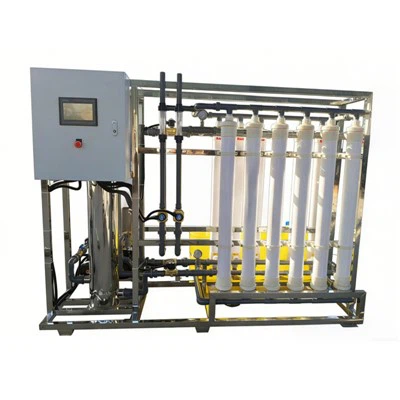
Whether you are planning a new SWRO or BWRO project or looking to upgrade your existing system, we can offer you customized solutions tailored to your specific needs. Our comprehensive after – sales service also ensures that you will receive timely support and maintenance throughout the lifespan of the equipment.
Reverse Osmosis Water System If you are interested in our SWRO & BWRO equipment or have any questions about the new technologies in the field, we encourage you to contact us for a detailed discussion. Our experts are ready to provide you with in – depth technical information and help you make informed decisions regarding your water treatment needs.
References
- Elimelech, M., & Phillip, W. A. (2011). The future of seawater desalination: energy, technology, and the environment. Science, 333(6043), 712 – 717.
- Greenlee, L. F., Lawler, D. F., Freeman, B. D., Marrot, B., & Moulin, P. (2009). Reverse osmosis desalination: Water sources, technology, and today’s challenges. Water Research, 43(9), 2317 – 2348.
- Nghiem, L. D., Schäfer, A. I., Caruana, D., Elimelech, M., & Waite, T. D. (2011). A review of fouling indices for reverse osmosis and nanofiltration. Journal of Membrane Science, 370(1 – 2), 1 – 18.
Shandong Yanuo Environmental Protection Equipment Co., Ltd.
We’re well-known as one of the leading swro & bwro equipment manufacturers and suppliers in China, featured by quality products and good price. Please rest assured to buy bulk swro & bwro equipment made in China here from our factory. Customized orders are welcome.
Address: North Side of the Road, 1,000 Meters West of the Intersection of Fenghuangshan West Road and Provincial Highway S102, Wangfu Subdistrict, Qingzhou City, Weifang City, Shandong Province.
E-mail: ynhb.499973983@gmail.com
WebSite: https://www.zkyaruo.com/
