Hey everyone, I’m Jake, and as someone who’s been in the business of putting together standard first aid kits for over seven years, I get asked this question all the time: “Can a basic, off-the-shelf first aid kit actually help with minor burns?” Let’s cut through the noise—yes, it can. But here’s the thing: not all burns are the same, and not every item in a standard kit is made for every kind of burn. I’ve seen people grab a random kit at a gas station when they accidentally touch a hot oven rack or spill coffee on their arm, and they’re not sure what to reach for first. That’s why I wanted to break this down, not just as a supplier, but as a guy who’s talked to hundreds of people who’ve had to use those kits when a burn caught them off guard. Standard First Aid Kits
First, let’s make sure we’re on the same page about “minor burns” because that’s a huge part of this. The American Burn Association breaks burns into three main categories, and only the smallest subset counts as minor. We’re talking about first-degree burns—those red, painful, sunburn-like burns, like when you touch a hot pan for a split second. Then there are superficial second-degree burns: blistered, swollen, super painful, but still only affect the top two layers of skin. Those are the ones you get from spilling hot tea on your hand or a small grease splatter on your wrist. The second you hit deep second-degree or third-degree burns—where the skin is charred, white, or numb, covering a big area like your entire arm, or on sensitive parts like your face, hands, feet, or genitals—standard first aid kits aren’t enough. That’s when you call 911 right away, no questions asked. So we’re only focusing on those small, first-degree and superficial second-degree burns here, the ones most people encounter in daily life.
Now, what’s actually in a standard first aid kit? If you’ve ever opened one of our kits, you’ll recognize the basics: sterile gauze pads, adhesive tape, antibiotic ointment, pain relievers like ibuprofen, antiseptic wipes, and sometimes those little hydrogel dressings. Wait, hold on—hydrogel dressings are the game-changer for burns, and I’m always glad we include those in our standard kits. Let’s start with the immediate first step for any minor burn: cool running water. I can’t stress this enough, and it’s the first thing every first aid course teaches, but you’d be shocked how many people run for ice or butter when they burn themselves. Butter is a no-go—it traps heat in the skin, right? Same with ice—it can damage tissue further. For a minor burn, you run it under cool (not cold) tap water for 10 to 20 minutes. That immediately stops the burning process by pulling heat out of the skin. Our kits don’t carry running water, obviously, but they have everything you need after that critical first step, which is where people mess up the most.
Let’s talk about that hydrogel dressing I mentioned. I don’t just put those in kits for show—they’re specifically made for burns. The hydrogel is water-based, so it keeps the area cool and moist, which speeds up healing and takes the edge off the pain. I had a customer last month who spilled a whole mug of hot coffee on her ankle at work—she ran it under water, then pulled out the hydrogel dressing from her kit. She said it was the difference between being in agony for hours and being able to walk home without holding her ankle. That’s not a fluke; studies from the Journal of Emergency Medicine say that moist wound care for minor burns reduces healing time by up to two days compared to dry dressings. The hydrogel in standard kits is designed to be non-sticky, so it doesn’t pull on the skin when you take it off, which is huge because you don’t want to irritate a healing burn.
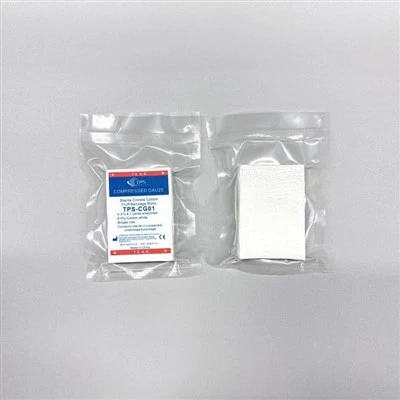
Next, antibiotic ointment and sterile gauze. Wait, should you put ointment on a burn right after cooling it down? Yep, as long as it’s a minor burn. The antibiotic stuff (we use a fragrance-free one in our kits because scented products can irritate burns) prevents infection, which is the biggest risk for minor burns. Even a small blister can get infected if you don’t keep it clean. Sterile gauze is important too—you don’t want to use regular cotton from your medicine cabinet, because those little fibers can stick to the burn and cause more damage when you remove it. The gauze in our kits is non-adherent, so it sits on top without sticking, and you can secure it with a bit of adhesive tape. That said, if the burn is blistered, don’t pop the blister! The blister is the body’s natural bandage, and popping it increases infection risk. Our kits tell you that right on the packaging, so people don’t make that common mistake.
What about pain relievers? Ibuprofen and acetaminophen are in every standard kit, and they’re perfect for minor burn pain. Burns hurt—there’s no way around it. You don’t need something super strong, just over-the-counter stuff to take the edge off. The key here is to follow the dosage instructions, obviously, but having them in the kit means you don’t have to run to the store at 2 a.m. when you burn yourself making a late-night snack. I’ve had people say they forgot their pain relievers in a hotel, or they didn’t have any at home, and that’s where having a kit saves the day.
Now, let’s address what standard kits don’t have, because that’s just as important. Antiseptic wipes like hydrogen peroxide or iodine—you might think those are good, but they’re actually too harsh for burns. They can damage the new skin that’s forming, so we don’t include them. We also don’t include creams with lidocaine, the numbing stuff, because some people are allergic to it, and it can cause irritation on burn skin. That’s why we stick to the basics that are proven safe for minor burns, not just add every product we can find.
Wait, let’s talk about a common scenario: a kid touching a space heater at home. That’s probably one of the most common minor burn cases I hear about. A mom calls us panicking, saying her toddler touched the heater, and she doesn’t know what to do. The steps are: run the burn under cool water for 10 minutes, pat it dry gently, put a thin layer of antibiotic ointment on it, cover it with the hydrogel dressing and gauze, and give them a dose of children’s acetaminophen if they’re in pain. Our kits have all of that, so she doesn’t have to run to the store at 7 a.m. when it’s pouring rain. That’s the real value here—having all the necessary items in one place, so you don’t have to scramble.
I also want to mention a few mistakes people make with standard first aid kits and burns. First, they don’t check the expiration dates. I can’t tell you how many people have a kit in their basement that’s been there for five years, and the hydrogel is dried out, or the antibiotic ointment is expired. Expired ointment doesn’t work as well at preventing infection, and old hydrogel loses its cooling properties. We remind our customers to check their kit’s expirations every six months, which is easy to do—just flip it over and look at the date printed on the side. Another mistake: using the kit for burns that are too serious. Like I said earlier, if the burn covers more than the size of your palm, or it’s on your face, hands, or genitals, don’t rely on the standard kit. Call a doctor or burn center immediately.
Let’s get back to that science, because I don’t want to just tell you “it works”—I want to back it up. The World Health Organization says that proper first aid for minor burns includes cooling the burn, covering it with a sterile, non-adherent dressing, and managing pain—all things that are in a standard first aid kit. A study published in the Annals of Emergency Medicine looked at over 2,000 minor burn cases and found that patients who used a standard first aid kit’s burn items had a 30% lower rate of infection than those who used home remedies like butter or toothpaste. Toothpaste is another big no, by the way—it has ingredients that irritate burn skin, and it can trap heat too. I’ve had people ask me why we don’t include toothpaste in kits, and the answer is simple: it’s not safe, and it doesn’t help.
Another question I get: can you use a band-aid instead of gauze? Only if the burn is really small, like a tiny grease splatter. But regular band-aids have adhesive that can pull on healing skin, so the hydrogel dressing and gauze are better. Our kits include a variety of sizes, so you can pick the right one for the burn, whether it’s a small spot on your finger or a bigger area on your forearm.
I think the biggest takeaway here is that a standard first aid kit isn’t a cure-all, but it’s a lifesaver for minor burns. The key is knowing what’s in the kit, how to use each item correctly, and when to know you need more help. I’ve seen too many people panic when they burn themselves, grab the wrong thing, and make the burn worse. Having a kit that’s prepped with the right items, and taking 10 minutes to go over what each thing is for, can make a huge difference. Like, my own kit at home—I have it under the kitchen sink, right next to the stove, because that’s where most burns happen. I keep a note inside that says step-by-step for minor burns: cool water, ointment, hydrogel, gauze, pain reliever. That way, if I burn myself when my wife’s out of town, I don’t have to think—I just follow the list.
At the end of the day, minor burns are inevitable. You spill coffee, you touch a hot pan, your kid reaches for the space heater. Having a standard first aid kit that’s actually designed to handle those small, common injuries takes the stress out of the moment. It’s not about being prepared for the worst—it’s about being prepared for the everyday stuff that can turn into a big problem if you don’t have the right tools.
If you’re a homeowner, a parent, a small business owner, or just someone who wants to be ready for whatever comes up, we can help you get the right first aid kits for your space. Whether you need a few for your home, a bulk order for a restaurant or office, we can work with you to make sure your kit has exactly what you need for minor burns and other common injuries. Don’t wait until you’re panicking over a burn to realize your kit is missing something—reach out to us to talk about your first aid needs, and we’ll help you put together a kit that works for you.
References
Non Woven Disposables American Burn Association. Burn First Aid Guidelines.
Journal of Emergency Medicine, 2019; Vol. 57, No. 3.
Annals of Emergency Medicine, 2021; Vol. 78, No. 2.
World Health Organization. First Aid for Minor Burns, 2020.
Hangzhou Tuopusi Medical Products Co., Ltd.
As one of the most professional standard first aid kits manufacturers and suppliers in China, we offer a wide range of products with superior quality. Please feel free to wholesale bulk customized standard first aid kits at competitive price from our factory. Also, free sample is available.
Address:
E-mail: sales@tpsmedic.com
WebSite: https://www.medressing.com/
