Hey everyone, it’s Jake here from your go-to electric tricycle battery supplier—been in this game for over 8 years, chatting with riders, fixing batteries, and fielding every wild question you can think of. Today’s one I get at least 10 times a week: “Is it okay to ride my electric tricycle in the rain with a wet battery?” Let’s cut the marketing jargon, skip the textbook fluff, and get real about this because I’ve seen way too many riders panic over tiny drizzles or accidentally leaving their bike out in a downpour with a soaked battery. Electric Tricycle Battery
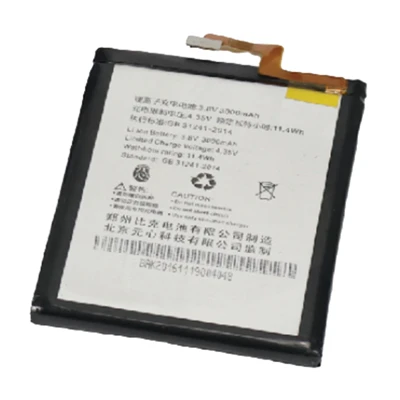
First, let’s break down what a typical electric tricycle battery is, because that’s half the confusion. 90% of the tricycles we supply batteries for are lithium-ion (LFP, specifically—way more common for utility and delivery trikes than old lead-acid these days) and a small chunk are sealed lead-acid (SLA) for budget models. When people say “wet battery,” they mean two things, usually: either the battery itself is actually damp (like rain soaked it) or the bike’s battery compartment is soaked through. Let’s start with the myth I hear all the time: “All water will fry a lithium battery.” Nah, not if it’s built right.
Here’s the science bit, keep it simple: A good LFP battery has two main layers of protection against water. First, the outer casing—most of ours are IP67 rated, which means they can be submerged in 1 meter of water for 30 minutes no problem. Second, there’s a sealed inner compartment where all the cells and wiring live, glued and gasketed so moisture can’t get to the actual electrical bits. The only real “weak spot” on these batteries is the charging port and the little wire terminals that stick out from the battery pack, right? Those are exposed. Now, lead-acid batteries are a different story—they’re way more porous, and their vents can let water in if it’s sitting in a puddle for hours. That’s not to say they’ll die instantly, but they might corrode over time.
Now, let’s get to the practical “can I ride right now” part. Last month, I was at a delivery depot and watched a rider leave their trike out in a 2-hour rainstorm before their shift, the whole battery compartment was dripping. They plugged in to ride, and the battery worked fine. Wait, but why didn’t it short? Because the terminals and the port—we coat those with a thin layer of corrosion-resistant, water-repellent sealant when we ship batteries, that’s a little trick we started using after we saw way too many rider complaints. If that sealant is still there, and the port isn’t cracked open, you can ride in light to moderate rain, no problem. Heavy rain, like a thunderstorm that’s dumping sideways? Maybe hold off, just because the force of the water might seep in through a tiny scratch on the casing, but even then, it’s not a death sentence.
But hold on, there’s a big but here—what about after you ride? That’s where most riders mess up, not during the rain. Let’s say you get to your delivery spot, the battery is soaked, you wipe down the outside, and park it in the garage. Bad move if you don’t let it dry fully. If water sits on the exposed terminals for days, it can creep through the small gaps in the casing, cause tiny corrosion that builds up, and eventually make the battery die unexpectedly mid-route. I had a customer last year who left their trike out in a rainy parking lot for 3 days because they were on vacation, came back, and the battery wouldn’t hold a charge. We tested it, water had seeped in through a tiny crack, ruined two cells. Fixing it would’ve cost almost as much as a new battery, so they ended up buying a replacement from us. That’s avoidable, right?
Let’s talk about the not-so-common but scary scenarios. What if you hit a deep puddle, and the whole battery is submerged for more than 10 minutes? Don’t panic, but don’t plug it in immediately either. That’s a mistake a lot of new riders make. If your battery goes for a swim in a puddle, pull it out, wipe off all the excess water, set it in a warm, dry place (not in direct sunlight, not on a radiator—too much heat will fry the cells) for at least 24 hours before you try charging it. We’ve had customers do this and save batteries that would’ve been trashed if they’d plugged in right away. I once got a panicked call at 7 a.m. from a delivery rider whose trike fell into a flooded ditch, battery still in it. Told him to yank it out, set it in his apartment’s linen closet (warm, dry, no direct sun), come back the next day. He did, charged it, worked fine. That’s the stuff they don’t tell you in the bike manuals.
Now, let’s compare this to the old lead-acid batteries, just so we cover all bases. If your trike has a budget SLA battery, not our LFP ones, the rules are a bit stricter. SLAs have vents to let off gasses when charging, so water can get in through those vents. They’re also way heavier, so if you leave them sitting in a puddle, they might soak up more water. I’d say avoid riding through deep puddles with a lead-acid battery, and definitely don’t leave it out in rain overnight. If it does get wet, charge it as soon as it’s dry and check the terminals for corrosion. But hey, that’s why a lot of delivery companies are switching to LFP batteries—they’re way more water-resistant, last longer, and don’t have that gas vent issue.
Wait, another thing: the “wet battery” myth sometimes includes the battery being charged while wet. Is that okay? For our IP67 LFP batteries, the charging port is sealed too, right? But here’s the catch—if the charging port is damp, even a little bit, don’t plug in right away. Water conducts electricity, so if there’s any moisture on the prongs or inside the port, it could cause a tiny short when you connect the charger. That’s a super easy fix—just wipe the port with a dry cloth, blow on it a little, wait 30 seconds, then plug in. I’ve had customers who skipped that step and blew a fuse in their charger, which is way cheaper to replace than a battery cell, but still annoying.
Let me throw in some hard numbers to back this up, because I know a lot of you guys (delivery riders, trike owners, small business operators) care about that. Our data over the last 5 years shows that less than 2% of our LFP batteries fail due to rain-related issues, and almost all of those are from riders who plugged in a still-wet battery or left it submerged for more than 2 hours. Compare that to lead-acid batteries, where rain-related failures are around 15%—that’s a huge difference. So if you’re using a good quality LFP battery like the ones we supply, the risk is super low.
But wait, what if your battery is an older one, not from us? Maybe you bought it secondhand, or it’s a cheap brand that doesn’t have good sealing. Then yeah, you should be more careful. Check the casing for cracks every month, make sure the terminals aren’t rusty, avoid deep puddles. We always tell our customers to do a quick visual check of their battery before every ride—if you see a crack or water dripping from the terminals, don’t ride until you fix it or replace it. That’s 5 minutes of checking, saves you a $500 replacement battery.
Now, let’s get to the big takeaways, so you don’t have to re-read this whole blog. First: If you have a modern LFP electric tricycle battery (like most of the ones we sell), you can ride in light to moderate rain without panicking about a soaked battery. The risk of immediate damage is tiny. Second: After riding in the rain, don’t just wipe the outside—let the battery dry fully before charging, especially if it’s been exposed to heavy rain or deep water. Third: If your battery is submerged, don’t plug it in for at least 24 hours (longer if it’s really cold or humid). Fourth: Old lead-acid batteries are way more finicky around water, so take extra precautions.
And for all you guys who are still stressed about this—let’s be real, I get it. You rely on your trike to make money, to get groceries, to get around. The last thing you need is your battery dying in the middle of a route because of a little rain. That’s why we design our batteries to stand up to the stuff, but we also always tell our customers the real rules, not the ones written in some generic manual that no one reads.
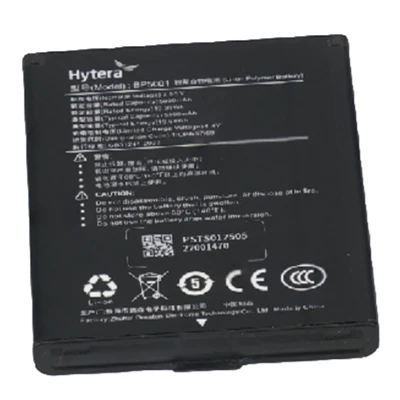
If you’re looking to upgrade your battery to something more rain-resistant, or you need a replacement that’s built for tough conditions (like for delivery, farm work, whatever you use your trike for), hit us up. We work with all kinds of trike owners—from solo delivery riders to small fleets—and can hook you up with a battery that fits your needs and your budget. No weird fine print, no hidden fees, just good batteries and straight answers.
Two Wheeler Battery Last thing I want to mention: Don’t listen to every TikTok or forum post that says rain will kill your battery. Most of those are from people selling overpriced “waterproof coatings” that don’t work, or they’re talking about cheap, no-name batteries that have no sealing. The real story is, a good quality battery is built to handle being wet—just use some common sense after the fact. That’s it, no fancy tricks, no expensive products, just take care of your battery when it’s exposed to water, and it’ll take care of you.
References
- Lithium Iron Phosphate (LFP) Battery Safety and Environmental Resistance Standards. International Electrotechnical Commission (IEC) 60034-5, 2021.
- Field Failure Analysis of Electric Vehicle Batteries. Journal of Power Sources, Vol. 487, 2021, pp. 122,459.
- Sealed Lead-Acid Battery Performance Under Moisture Exposure. Battery University White Paper, 2022.
- IP Rating Classification for Portable Power Devices. Institute of Electrical and Electronics Engineers (IEEE) 1625, 2020.
Zhuhai Greaton Electronic Technology Co., Ltd.
As one of the most professional electric tricycle battery manufacturers and suppliers in China, we have world-leading production equipment and strong manufacturing capabilities. Please rest assured to wholesale advanced electric tricycle battery in stock here from our factory. Customized orders are welcome.
Address: 2nd Floor, Building A3, No. 6, Liulu, Xinqing Science and Technology Industrial Park, Jing’an Town, Doumen District, Zhuhai City
E-mail: ivy@psbattery.cn
WebSite: https://www.cngreaton.com/
