Hey everyone, let’s cut to the chase if you’re in industrial operations (especially if you’ve dealt with dust headaches, equipment overheating, or even pesky fire risks—you know exactly what I’m talking about). As a supplier that’s dealt with industrial mist generators for years, I get asked all the time: “What do these things actually do beyond just spraying water around?” Spoiler: way more than you’d think. They’re not just fancy garden misters for patios; they’re workhorses that fix real, costly problems across tons of industries. Let’s break down the main uses, no jargon, just real-world stuff I’ve seen clients swear by. Industrial Mist Generator
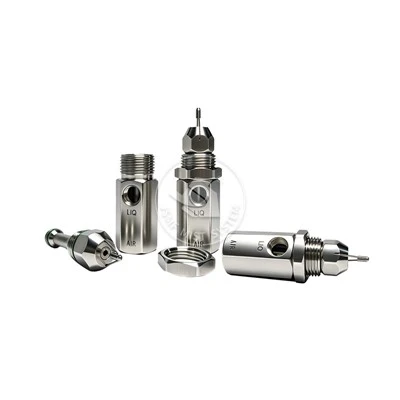
First off, dust suppression is probably the most common (and most urgent) use. If you run a construction site, a quarry, a recycling plant, or a cement factory, you know dust isn’t just annoying—it’s a health hazard and a big regulatory pain. Think about it: silica dust from concrete or rock, metal shavings from machining, even fine particulate from recycling cardboard or plastic. Breathing that in leads to lung issues, OSHA fines, and even shutdowns if levels get too high. Industrial mist generators work here because they produce ultra-fine water droplets that are way smaller than regular hose spray mist—like 10 to 50 microns, for reference. Those tiny droplets don’t just sit on the ground; they bind to dust particles in the air, making them heavy enough to fall right down instead of floating around. I had a quarry client last year that was getting $12k+ in monthly fines for dust levels above legal limits. Switched to our mist generators, and within 2 weeks they cut those levels to compliance and saved almost $150k a year in fines. Even bulk material handling—like loading grain, coal, or ore onto ships or trucks—gets crazy dusty, especially when you’re transferring it high up. The mist generators mounted at transfer points stop that dust from billowing into the surrounding area, which also keeps nearby equipment clean (less wear from abrasive dust) and neighbors happy—no more dust complaints through the mail.
Next up, temperature control in industrial spaces, and honestly, this is one that surprises a lot of people. When you’re working in a hot warehouse, a steel mill’s rolling shop, or even a greenhouse that’s cranking out veggies in the summer, heat is a killer. It slows workers down, makes mistakes more likely, and in extreme cases, can be dangerous. Industrial mist generators use evaporative cooling, right? Those tiny droplets evaporate almost instantly as they hit the air, pulling heat out of the surrounding area without making the space feel sticky like an air conditioner that’s set too low. Let’s take a food processing plant I work with—their meat packing floor gets up to 98°F in the summer, even with big ceiling fans. They installed mist lines above the workstations, and the temp dropped 12-15°F right where the workers are standing. No more mid-day fatigue, and their productivity went up almost 10% because people weren’t rushing to take breaks just to cool off. Another big one: outdoor industrial spaces, like loading docks, construction staging areas, or even outdoor event spaces that are part of a plant’s community outreach. We did a project for a steel mill that has an outdoor storage yard for steel beams—they have team members working out there in Texas heat that hits 105°F in July. Mist generators spaced 20 feet apart along the yard cut the heat index by 10°F, and they haven’t had any heat-related incidents there in over a year. Way cheaper than installing huge portable AC units, too—like a quarter of the cost to run, even.
Wait, fire suppression and prevention? Yeah, that’s a huge industrial use I don’t see talked about enough. A lot of industries handle flammable materials: woodworking shops with sawdust, grain elevators with fine grain dust, chemical processing plants with volatile solvents, even auto body shops with paint fumes. Those fine particles are super combustible, and a single spark can turn into a massive explosion before you even call 911. Industrial mist generators here work in two ways: first, the mist displaces oxygen around the flammable dust or fumes, making it way harder for a fire to start. Second, if there is a spark or small flame, the mist cools the area down faster than any dry chemical fire extinguisher can, and it doesn’t leave that messy corrosive residue that ruins equipment. I had a woodworking client a couple years back that had a close call— a spark from a saw caught some sawdust dust in the air, and their mist system (they have it tied to their fire alarm) activated in 2 seconds. The mist smothered the flame before it could reach the big sawdust bin, and zero damage, zero downtime. Compare that to a dry chemical system, which would’ve coated every machine, every piece of lumber, and required days of cleaning. Also, for grain elevators, which are a huge fire risk in rural areas, mist generators installed along the conveyor belts and in the storage silos keep the humidity up just enough to prevent static electricity (another big fire cause) and stop dust buildup from getting too thick.
Oh, and humidification! A lot of industrial processes depend on specific humidity levels, and it’s way more important than people realize. Textile manufacturing, for one—cotton, wool, or synthetic fibers get static-y when the air is too dry, which causes yarn to break, uneven weaving, and a lot of wasted material. We had a textile plant in the Carolinas that was wasting almost 8% of their yarn because of static. They installed mist generators throughout their production floors, and the humidity stayed steady at 55-60% (the sweet spot for textile work), and their waste dropped to less than 2%. Another example: pharmaceutical manufacturing, where certain medications (like powders or pills) require precise humidity to maintain their structure and effectiveness. Too dry, and pills crumble; too humid, and they stick together. Mist generators give consistent, adjustable humidity levels way better than old-fashioned humidifiers that leave puddles on the floor. Even greenhouse and indoor farming—especially for high-value crops like tomatoes, cannabis, or leafy greens—mist generators control humidity to prevent mold and powdery mildew, while also boosting CO2 levels (wait, the tiny droplets actually hold more CO2 that plants can absorb through their leaves? Yeah, that’s a bonus they love). I worked with a small hydroponic farm that used to have 15% of their crop get moldy every month; switched to mist generators, and that dropped to 1%.
Wait, are there other uses? Let me think—odor control, too. Industrial waste treatment plants, rendering facilities, food processing plants that handle waste or byproducts, they all deal with nasty, lingering odors that make the area unlivable for workers and nearby residents. The ultra-fine mist doesn’t just mask odors; it binds to the odor-causing molecules (like hydrogen sulfide from sewage or rotting food) and breaks them down naturally, without using harsh chemical sprays that can cause their own issues. A waste treatment client I had out in California was getting tons of complaints from a neighborhood 3 miles away because of the smell from their sludge drying beds. They installed mist generators along those beds, and within a week, the complaints dropped to zero. No more needing to use chemical deodorants that just cover the smell, and it’s way cheaper long-term.
Now, I know some of you are thinking: “Is a mist generator right for my operation?” Let’s be real—every industrial space is different, so it’s not a one-size-fits-all. You’ve got to consider factors like the size of the space, what materials you’re working with, local regulations, and even power/water access. For example, if you’re in a remote quarry, you might want a generator that runs on diesel instead of just electricity, or if you’re in a food plant, you need stainless steel components that meet FDA standards (we have those, by the way). A lot of people make the mistake of buying cheap mist misters from a home improvement store—those don’t have the pressure or droplet size to work for industrial use, and they break all the time. That’s why we only carry units designed for 24/7 operation, with adjustable mist output so you can dial it in exactly what you need.
If you’re dealing with any of the issues I mentioned—dust fines, overheated work areas, fire risks, production waste, or odor complaints—industrial mist generators might be exactly what you’re missing. I’ve been in this game long enough to know that the best industrial solutions aren’t flashy; they’re the ones that save you money, keep your workers safe, and let you focus on running your business instead of putting out fires (literally and figuratively).
If you want to chat more about what your specific operation needs, feel free to reach out. We can even send someone over to do a free assessment of your space, no pressure, no sales pitch that feels like a ripoff. Let’s figure out how to make your industrial space run smoother, safer, and more profitable.
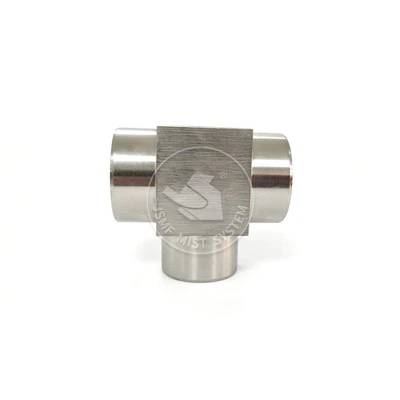
Snap-in Connection Piece REFERENCES
- Occupational Safety and Health Administration (OSHA). (2022). Respiratory Protection for Silica Dust Exposures. U.S. Department of Labor.
- American Industrial Hygiene Association (AIHA). (2021). Evaporative Cooling for Industrial Work Environments. AIHA Press.
- National Fire Protection Association (NFPA). (2023). Standard for Fire Protection in Grain Handling and Processing Facilities. NFPA 61.
- Textile Institute. (2020). Humidity Control in Yarn Manufacturing: Reducing Static and Waste. Textile Technology Digest.
- Environmental Protection Agency (EPA). (2022). Odor Control Strategies for Industrial Waste Treatment Facilities. EPA Region 9.
Jinsheng Mist Forest-High Pressure Mist System
Address: 109 Yonghong Road, Wenjiang District, Chengdu City, Sichuan Province, China
E-mail: 18190767523@163.com
WebSite: https://www.jswsmist.com/
