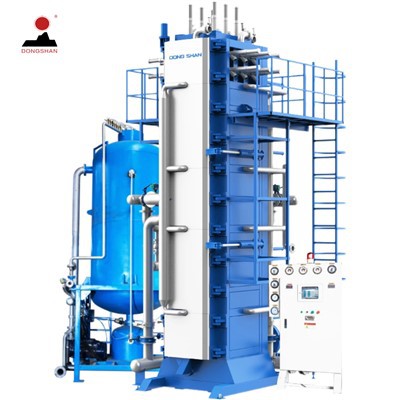
In the realm of plastic recycling, the demand for effective and sustainable solutions has never been higher. As a supplier of EPS (Expanded Polystyrene) recycle systems, I’ve witnessed firsthand the growing interest in how these systems stack up against other plastic recycling methods. In this blog, I’ll delve into the in – depth comparison between EPS recycle systems and other plastic recycling systems, highlighting the unique features, advantages, and potential drawbacks of each. EPS Recycle System
1. An Overview of Plastic Recycling Systems
Plastic waste is a global environmental concern, and there are several established methods to recycle different types of plastics. Common plastic recycling systems include mechanical recycling, chemical recycling, and energy recovery.
Mechanical recycling is the most widely used approach. It involves collecting plastic waste, sorting it by type, washing, shredding, and melting it to produce new plastic products. This method is cost – effective for many plastic types like PET (Polyethylene terephthalate) and HDPE (High – Density Polyethylene).
Chemical recycling, on the other hand, breaks down plastics into their chemical building blocks. This can handle a wider range of plastic types and potentially produce higher – quality recycled materials. However, it often requires more complex and expensive equipment.
Energy recovery is a process where plastic waste is burned to produce heat or electricity. While it helps reduce the volume of plastic waste, it also releases greenhouse gases and other pollutants, making it less environmentally friendly compared to other recycling strategies.
2. What is an EPS Recycle System?
EPS, also known as Styrofoam, is a lightweight and widely used plastic material in packaging, insulation, and food containers. An EPS recycle system is specifically designed to handle this unique type of plastic.
The process typically starts with collection. EPS is lightweight, so large volumes can be difficult to transport efficiently. Many EPS recycle systems use densifiers or compactors to reduce the volume of EPS waste. These machines compress the EPS into dense blocks or ingots, making it easier and more cost – effective to store and transport.
Once the EPS is densified, it can be melted and extruded to form new products. For example, recycled EPS can be used to make picture frames, crown moldings, and other construction materials.
3. Comparing EPS Recycle Systems with Other Plastic Recycling Systems
3.1 Recycling Efficiency
- Mechanical Recycling of General Plastics vs. EPS Recycling:
- General mechanical recycling is effective for plastics with high – quality resins that can be easily re – used. However, the process can be hampered by the presence of different plastic types and contaminants. EPS, on the other hand, is often a single – material product, which simplifies the recycling process. Our EPS recycle systems can achieve a high recycling efficiency because of the relatively pure nature of EPS waste. In contrast, mechanical recycling of mixed – plastic waste usually requires more extensive sorting and pre – treatment steps.
- Chemical Recycling and EPS:
Chemical recycling can break down complex polymers, but it is often overkill for EPS. EPS has a relatively simple chemical structure, and mechanical recycling methods are usually sufficient to recycle it. Chemical recycling of EPS would be more expensive and energy – intensive compared to using a dedicated EPS recycle system.
3.2 Cost – Effectiveness
- Cost of Equipment and Operation:
EPS recycle systems are generally more affordable in terms of equipment cost compared to some chemical recycling systems. The densifiers and extruders used in EPS recycling are less complex and expensive to purchase and maintain. For small – to – medium – sized recycling facilities, an EPS recycle system can be a cost – effective solution. In contrast, chemical recycling plants require high – tech equipment and a large amount of energy, leading to higher capital and operational costs. - Transportation Costs:
The lightweight nature of EPS waste can lead to high transportation costs. However, our EPS recycle systems’ densification feature significantly reduces the volume of waste, thus lowering transportation costs. This is a major advantage over other plastic recycling systems, as many plastics do not have such an effective volume – reduction solution.
3.3 Environmental Impact
- Greenhouse Gas Emissions:
EPS recycle systems have a relatively low carbon footprint compared to energy recovery methods. Since EPS recycling involves melting and reshaping the material rather than burning it, it releases fewer greenhouse gases. Additionally, compared to some chemical recycling processes, which can be energy – intensive, our EPS recycle systems use less energy, further reducing their environmental impact. - Product Quality and Secondary Pollution:
When properly recycled, EPS can be turned into high – quality products with minimal secondary pollution. In some mechanical recycling methods of other plastics, the presence of contaminants can lead to lower – quality recycled products or even the generation of new pollutants during the recycling process. Our EPS recycle systems are designed to ensure that the recycled EPS is of high quality, reducing the likelihood of secondary pollution.
3.4 Market Compatibility
- End – use Products:
The market for recycled EPS products is growing steadily. As mentioned earlier, recycled EPS can be used in construction and other industries. Other plastic recycling systems often target different end – use markets. For example, recycled PET is commonly used in the textile and beverage container industries. The ability to find a stable market for recycled EPS products is an important advantage of EPS recycle systems.
4. Challenges and Limitations of EPS Recycle Systems
While EPS recycle systems have many advantages, they also face some challenges. One of the main issues is the lack of awareness about EPS recycling among the general public. Many people still throw away EPS products, thinking they are non – recyclable. This leads to a relatively low collection rate of EPS waste.
Another challenge is the competition from new, more environmentally friendly materials. Some companies are switching to biodegradable or compostable materials for packaging, which may reduce the demand for EPS in the long run. However, EPS still has unique properties such as excellent insulation and lightweight, which make it difficult to completely replace in some applications.
5. Conclusion and Call to Action
In conclusion, EPS recycle systems offer a number of advantages over other plastic recycling systems in terms of efficiency, cost – effectiveness, environmental impact, and market compatibility. They are a specialized and sustainable solution for handling EPS waste.
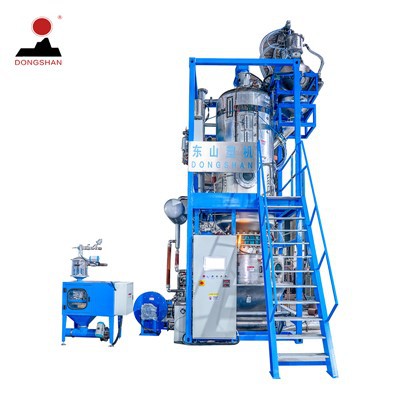
If you are in the business of plastic recycling, waste management, or are looking for an environmentally friendly solution for your EPS waste, our EPS recycle systems could be the perfect fit for you. We have a range of systems to suit different scales of operation, from small – scale recycling centers to large – scale industrial facilities.
EPS Recycle System I encourage you to reach out and start a conversation with our team. We can provide you with detailed information about our systems, including specifications, pricing, and installation services. Let’s work together to make a positive impact on the environment by effectively recycling EPS waste.
References
- "Plastic Recycling: Challenges and Opportunities" – Journal of Environmental Science and Technology
- "The Future of EPS Recycling" – International Journal of Sustainable Materials Management
- "Comparative Analysis of Different Plastic Recycling Methods" – Waste Management Research
Hangzhou Fuyang Dongshan Plastic Machinery Co., Ltd.
Hangzhou Fuyang Dongshan Plastic Machinery Co., Ltd. is one of the most professional EPS recycle system manufacturers and suppliers in China, featured by quality products and low price. Please feel free to wholesale advanced EPS recycle system made in China here and get quotation from our factory. Customized orders are welcome.
Address: 101 Guanting, Baiqian Villige, Luzhu Town, Fuyang District, Hangzhou City, Zhejiang Province, China
E-mail: xu@dong-shan.cn
WebSite: https://www.epseppmachinery.com/
