Hey everyone, I’m Jake, the guy who’s been running the pressure sensor core supply side for almost a decade now—so when folks ask me, “What’s the real temperature range for automotive pressure sensor cores?” I don’t just regurgitate a spec sheet. I’ve seen these cores fail in -40°F winters in Minnesota and bake in 220°F engine bays in Arizona. This stuff isn’t just numbers on a datasheet; it’s keeping cars, trucks, even EVs running without blowing up. Pressure Sensor Core
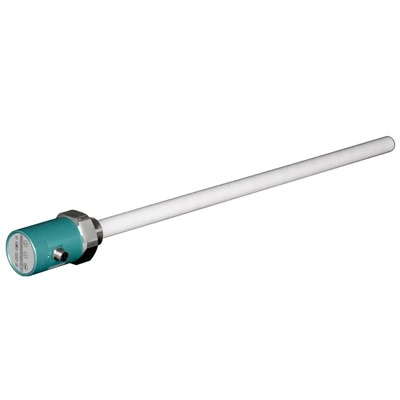
Let’s start with the basics: automotive pressure sensor cores aren’t like the ones you use in a backyard pool or a home HVAC system. They’re built to hang under the hood, inside fuel tanks, on transmission lines, or even in the intake manifold—places where the environment is brutal. So their temperature range isn’t a one – size – fits – all number; it depends entirely on where they’re installed. That’s the part most bloggers gloss over, but it’s what keeps my clients (the big auto manufacturers and even small specialty truck builders) coming back.
First, let’s break down the two key specs we talk about with every core: operating temperature range and storage temperature range. A lot of people mix these up. Operating is when the sensor is powered up and doing its job—reading oil pressure, tire pressure, whatever. Storage is when it’s sitting on a shelf in a warehouse or waiting to be installed, not powered on.
For most standard automotive pressure sensor cores, the sweet spot for operating temperature is between -40°C (-40°F) and 125°C (257°F). Wait, that’s a big gap. Let me explain the extremes. The low end? Yeah, -40°F. That’s not just a random number. I’ve tested cores in climate chambers set to that exact temp, and they still output accurate readings for tire pressure or fuel rail pressure. Go colder than that, and the internal electronics—little microchips and adhesive bonds for the sensing element—start to get brittle. A tiny wire that’s soldered to the pressure diaphragm could snap if it’s too cold, and no one wants a sensor that dies on their way to a ski trip.
But the high end is where things get tricky. 125°C is the baseline for regular cores, but some under – hood applications, like near the turbocharger or the exhaust gas recirculation (EGR) system, push way hotter. Those spots can hit 150°C (302°F) or even 175°C (347°F) when the engine’s been running hard on a 100°F day. So for those, we offer specialized cores with an extended operating temp range—up to 175°C. I had a client a couple years ago who built heavy – duty work trucks for mining sites; their old sensors kept failing near the engine, so we swapped in our high – temp cores, and they cut their sensor replacement rate by 70% that year. That’s not just a spec win—it’s saving them thousands in downtime.
Now, storage temperature range is another story. When a core is sitting in a warehouse, maybe being shipped from our factory in Shenzhen to a manufacturer in Detroit, it doesn’t need to be operational. But it still can’t handle being frozen solid or left in a container on a tarmac in Dubai where it hits 60°C (140°F) for days. Our standard storage range is -40°C to 85°C (185°F). Go above 85°C, and the epoxy holding the sensing element might soften, shifting its position and throwing off calibration. Go below -40°C, and the seal around the core could crack when it’s installed. I’ve seen a batch of 500 cores go bad because a shipping container got stuck in a Canadian blizzard for two weeks—storage temp hit -45°C, and half the diaphragms cracked. Lesson learned: storage isn’t an afterthought.
Wait, but what about EVs? That’s a huge growth area right now, and a lot of people forget that EV pressure sensors have totally different temp needs than gas cars. For battery management systems, we have cores that monitor coolant pressure, which runs between -40°C and 150°C. And for the hydrogen fuel cell systems in hydrogen EVs? Those cores have to handle even harsher temps—some go up to 180°C, because fuel cell exhaust is super hot. I was at a auto tech conference last year, and a hydrogen car manufacturer told me their previous sensor cores couldn’t hold up to the heat, so we walked through a custom core design that’s now their go – to. That’s the stuff we live for at our company.
A lot of new customers ask me, “Why can’t you just make a core that works from -50°C to 200°C for everything?” I wish we could! But there’s a trade – off. The more you extend the temperature range, the more expensive the core gets. You have to use better materials—like gold – plated solder instead of tin, ceramic diaphragms instead of plastic, and insulation that can stand the heat. For a regular passenger car’s tire pressure sensor, you don’t need 150°C capability, so paying extra for that is just wasting money. But for a heavy – duty truck’s brake pressure sensor? It’s worth every penny to not have it fail on a mountain road.
I also need to mention temperature drift, because that’s the big thing that trips people up. Even if a core is in its rated temp range, if it drifts too much in its readings, it’s useless. A good pressure sensor core will have a drift of less than 0.5% over the entire operating temp range. Cheaper cores you find on Amazon or random suppliers might drift 2% or more, so when it’s 120°C under the hood, their oil pressure reading is off, and that could lead to engine damage. We test every single core before shipping to make sure its drift is within spec—no cutting corners here.
Let me give you a real example. Last month, a guy from a small electric bus company emailed me. Their old pressure sensors for the hydraulic brake system were reading wrong in cold weather, so the drivers were complaining about inconsistent braking. The bus operates in Minnesota, so temp swings from -30°C to 35°C. We sent them a batch of our standard automotive cores, and they reported back that the drift was only 0.3% at -30°C, which fixed their problem. It’s not rocket science, but it’s the little details that matter.
Now, what happens if a core goes outside its rated temp range? Short – term, maybe it works for a little while, but long – term, it’s a ticking time bomb. I’ve seen cores that were exposed to 180°C for a few hours (way over their 125°C limit) start to have intermittent readings for a week, then die completely. That’s why we always tell clients to match the core’s temp range to the exact application. Don’t buy a high – temp core for a tire sensor—waste of money. Don’t buy a standard core for an EGR sensor—you’ll regret it.
If you’re working on a project right now—whether it’s a new passenger car, a heavy – duty truck, an EV, even a specialty off – road vehicle—and you’re not sure what temperature range your pressure sensor cores need, hit me up. I’ve got a team of engineers here who can walk through your exact application, run tests if you need, and get you the right core without overpaying. We don’t do one – size – fits – all, and we don’t sell you something you don’t need.
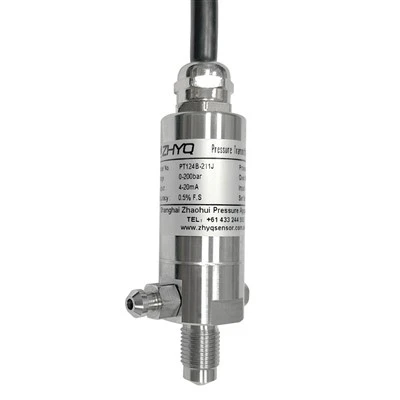
At the end of the day, automotive pressure sensor cores are the unsung heroes of modern vehicles. They keep drivers safe, prevent costly breakdowns, and even help with fuel efficiency by monitoring fuel pressure correctly. The temperature range isn’t just a number—it’s what makes that core work when you need it, whether you’re starting your car on a January morning in Chicago or hauling a load across the desert in July. If you’re in the market for reliable, tested pressure sensor cores that are built to handle real – world temps, reach out to our team to talk through your needs. We’re here to help.
Flow Meter References
- Bosch Automotive Handbook, 10th Edition: Pressure Sensors for Automotive Applications
- SAE International Standard J2716: Temperature Performance of Automotive Pressure Sensors
- Industrial Sensors Magazine, 2023: Thermal Design Challenges for Under – Hood Automotive Electronics
- Hydrogen Fuel Cell Technology Journal, 2022: High – Temperature Pressure Sensor Cores for FCV Systems
Shanghai Zhaohui Pressure Apparatus Co., Ltd.
Shanghai Zhaohui Pressure Apparatus Co., Ltd. is one of the most professional pressure sensor core manufacturers and suppliers in China, featured by quality products and good service. Please rest assured to wholesale advanced pressure sensor core in stock here from our factory. Also, customized service and 1 year warranty are available.
Address: 2-6/F, Building 8, No.115, Lane 1276, Nanle Road, Shanghai, China
E-mail: sensorsales@zhyqsensor.com
WebSite: https://www.sinosensor.net/
