If you’ve ever stood on a construction site, a power line repair crew’s yard, or an industrial assembly floor, you’ve probably wondered at some point: Is this hard hat actually keeping me safe from electricity, or just my skull? As someone who’s spent the last 12 years supplying industrial helmets to teams across manufacturing, energy, and construction sectors, I’ve fielded this question more times than I can count—from new hires staring at a pile of generic hard hats to veteran foremen stressing about new job sites with unknown electrical risks. The short answer is yes, but only if you’re picking the right industrial helmet, not just any hard hat off the shelf. Let’s break down the science, the common myths, and what to actually look for when your team’s safety is on the line. Industrial Helmet
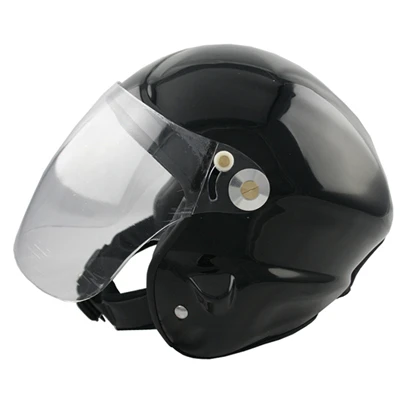
First, let’s get one key term straight: not all hard hats are created equal. The standard industrial helmet I supply isn’t just a plastic shell; it’s engineered to meet strict international safety protocols, most notably the American National Standards Institute (ANSI) Z89.1 standard, which is the benchmark for North America, and the International Organization for Standardization (ISO) 3873, used across most of the rest of the world. What does that standard cover when it comes to electrical hazards? It splits hard hats into three primary classes, each with a specific purpose for electrical work. Class G (General) helmets are rated for low-voltage exposures—up to 2,200 volts. Class E (Electrical) is the workhorse for jobs around medium to high voltage, offering protection up to 20,000 volts, which covers nearly all power line maintenance, substation work, and industrial equipment repair jobs. Then there’s Class C (Conductive), which is made of lightweight, non-insulated plastic that’s designed to never be used around electricity—it’s only for protecting against falling debris, so if you see a team member wearing a Class C on a job site with power lines, that’s a red flag, and it’s not just the team member making a mistake.
A lot of people think insulation for electrical protection is just the hard hat shell, but that’s only part of it. The liners and suspension systems inside industrial helmets play a huge role too. When ANSI tests Class E helmets, they don’t just blast the shell with 20,000 volts and call it good. They also immerse the entire helmet in water to simulate sweat, rain, or spills—conditions you’ll absolutely face on a construction site—and test how much voltage gets transferred to the wearer’s head. A quality suspension, made of nylon webbing and foam padding, acts as an extra barrier between the shell and your scalp, preventing accidental contact between your head and any conductive material that might get through a tiny crack in the shell, or even the edge of a damaged power line. I’ve seen too many cheap, off-brand helmets skip this reinforced suspension to cut costs, and that’s a liability no job site can afford.
Let’s bust the most common myth I hear all the time: “I work around live wires, so I need my hard hat to stop electricity completely.” That’s not how electrical protection works in the real world, and it’s not what the standards promise. Industrial helmets aren’t designed to make you immune to electricity—they’re designed to prevent a serious injury called an arc flash or arc burn, which is the most common electrical hazard for frontline workers. Arc flashes happen when electricity jumps through the air to an object at a different voltage, and the temperature of that flash can reach 35,000 degrees Fahrenheit—hotter than the surface of the sun. A Class E industrial helmet will block most of that arc energy, and keep the flash from making direct contact with your skull and face, which could cause permanent brain damage or blindness. What’s more, if you accidentally touch a live wire, a properly rated helmet’s insulation will slow the current enough to give your body time to react—though of course that’s not a reason to skip proper lockout-tagout protocols or other safety steps.
Another myth: “If my hard hat is ANSI rated, it works forever.” That’s absolutely not true, and it’s a mistake I see both new employers and veteran workers making all the time. Industrial helmet shells degrade over time, thanks to UV exposure from sunlight, exposure to chemicals like lubricants, solvents, or concrete additives, and even simple wear and tear from dropping the helmet on the job or scuffing it against equipment. ANSI recommends replacing industrial helmets every 5 years, regardless of how they look, and immediately if you see cracks, dents, faded markings, or if it’s been in an accident that involved an electrical hazard. I had a client a couple of years back who told me their team had been using the same hard hats for 8 years because they “looked fine”—then one of their electricians knocked a hard hat off a shelf and realized the shell had turned brittle enough that you could scratch it with a fingernail. That’s not a helmet; that’s a paperweight.
So what sets the industrial helmets I supply apart from the generic ones you might see at a big-box store? First, we don’t cut corners on testing. Every single batch of helmets we get from our manufacturers is third-party tested to both ANSI Z89.1 Class E and ISO 3873, so you know they’ll hold up to the conditions your team faces. We also include clear, easy-to-understand labels on every helmet that show their class, voltage rating, and expiration date—no tiny, hard-to-read markings that get lost under dirt or paint. A lot of generic brands skip that labeling to save money, which means a new hire might grab the wrong helmet without even realizing it.
We also design our industrial helmets with real job site needs in mind, not just compliance. For example, we add a moisture-wicking liner that doesn’t break down when exposed to sweat or rain, so it doesn’t create a conductive path between your head and the shell over time. We also have slots for face shields and ear protection, so workers don’t have to stack multiple pieces of gear that might compromise the helmet’s insulation. Last year, we worked with a team of line repairmen in the Midwest who told us the biggest complaint with their old helmets was that they slipped when they were climbing utility poles, so we adjusted the suspension system to add more adjustability, and that reduced slip incidents by 40% for their team. That’s the kind of feedback we use to make sure our helmets don’t just meet safety standards, but work for the people wearing them every day.
Let’s talk about the edge cases where even a Class E industrial helmet won’t protect you, because honesty is part of running a safety supply business. If you’re working with voltages above 20,000 volts—like extra-high-voltage transmission lines—you’ll need additional insulation like rubber gloves, sleeves, and blankets, and the helmet’s protection acts as a secondary barrier, not your primary defense. Also, if your helmet is damaged, even a Class E helmet won’t work. A small crack in the shell can let electricity seep through, turning your protective gear into a conductive tool that puts you at more risk. That’s why we always include a free helmet inspection checklist with every bulk order, so foremen can do quick checks at the start of each shift, and we offer free bulk expiration tracking for regular clients, so you don’t have to remember when to replace hundreds of helmets at once.
I’ve seen firsthand what happens when teams use the wrong industrial helmets for electrical work. A few years back, a small manufacturing plant in Texas used generic hard hats for their maintenance team, and one of their electricians came into contact with a live 12,000-volt line. The generic hard hat he was wearing was only rated for Class G, so it didn’t block the arc flash—he suffered a severe burn to his scalp that required multiple surgeries, and the plant was cited for multiple safety violations. That’s the kind of story that sticks with me, and it’s why every industrial helmet we supply is built with the specific electrical hazards of your job site in mind.
The good news is that choosing the right industrial helmet for electrical hazards doesn’t have to be complicated. First, identify the highest voltage your team will be working around—if it’s under 20,000 volts, a Class E helmet is non-negotiable. Check for the ANSI or ISO marking on the helmet, and make sure it’s not past its replacement date. Inspect helmets regularly for damage, and don’t be afraid to ask your supplier for proof of third-party testing—any reputable industrial helmet provider will have that on hand.

At the end of the day, industrial helmets are one of the most basic pieces of safety gear, but they’re also one of the most important. They don’t just protect against falling nails and dropped tools—they can mean the difference between walking home at the end of the day and a permanent life-altering injury. If you’re putting together a new team, replacing old helmets, or just have questions about what kind of industrial helmet is right for your electrical work, reach out to discuss your specific needs. We’ll walk you through the classes, the testing, and the best options for your job site, no fine print and no pressure to buy more than you need.
Downhill Bike Helmet REFERENCES
American National Standards Institute. (2020). ANSI Z89.1-2020: Protective Headwear for Industrial Workers.
International Organization for Standardization. (2015). ISO 3873: Industrial Safety Helmets.
Occupational Safety and Health Administration. (2022). Electrical Safety-Related Work Practices in General Industry.
National Institute for Occupational Safety and Health. (2021). Head Protection for Prevention of Electrical Hazards in the Workplace.
Spirit Sports (HK) Co., Ltd.
We are one of the most professional industrial helmet manufacturers and suppliers in China. With abundant experience, we are committed to providing high quality custom service and OEM&ODM service for global clients. Please feel free to wholesale bulk high quality industrial helmet at competitive price from our factory.
Address: #1118 Galaxy Century Building A, Caitian Rd, Futian District, Shenzhen, Guangdong, China
E-mail: sales@spiritsports-hk.com
WebSite: https://www.helmet-supplier.com/
