If you’ve ever picked up a perfectly formed plastic water bottle, a crisp electronic device case, or a sleek kitchen utensil, you’ve held a product that wouldn’t exist without a plastic mold. But most people don’t stop to think about the quiet, often unseen part of that mold that makes it all come together: the runner system. As the owner of a small, family-run plastic mold supplier that’s been serving manufacturing clients across North America for 12 years, I’ve spent countless late nights troubleshooting runner system issues for customers who were just as confused as I once was about why their parts were warping, having air bubbles, or failing to fill evenly. Today, I want to break this down in plain, practical terms—no overly technical jargon—because when you’re in the business of making high-quality plastic parts, understanding your runner system isn’t just a nice-to-have; it’s what separates a good mold from a great one. Plastic Mold
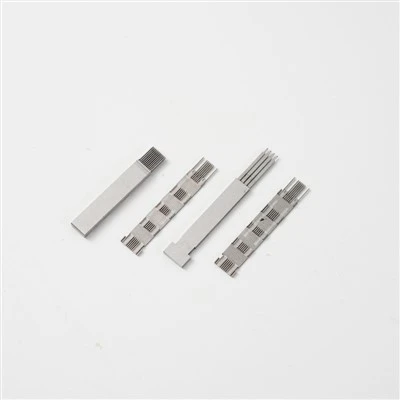
Let’s start with the basics: when you inject molten plastic into a mold, you can’t just shoot it directly into the cavity (the part of the mold that forms your final product) like you’re squeezing a ketchup bottle onto a plate. The molten plastic is hot, viscous, and needs to be directed smoothly from the injection molding machine’s nozzle into every corner of the mold cavity, without wasting material or causing defects. That’s exactly what a runner system does—it’s the network of channels cut into the mold’s halves that acts as a pathway for the plastic to travel from the machine to the cavity. Think of it like the circulatory system of the mold: if the mold is the body, the cavity is the muscles, the nozzle is the heart, and the runner system is the veins that carry blood (or in this case, molten plastic) where it needs to go.
Not all runner systems are the same, though. Over my years in this business, I’ve worked with three main types that customers come to me asking about, each with its own pros, cons, and ideal use cases. Let’s walk through them one by one, because choosing the right runner system can make or break a production run.
First, the cold runner system. This is the most common type for small to medium production runs, and it’s what I’d recommend if you’re just starting out or making parts that don’t require super high volume. In a cold runner system, the channels are kept at room temperature, separate from the molten plastic. When the molding cycle is done, the plastic that’s in the runners (called the runner scrap) solidifies along with the part, and you have to trim it off later—usually with a mold degating tool or even manually, depending on the part size. The upside here is that cold runners are cheaper to design and manufacture. I’ve had a customer making custom toy figures switch to cold runners from a more expensive system, cutting their mold production cost by 22% while keeping their part quality the same, because their runs were only 5,000 parts a year—high enough for consistency, but not enough to justify a more complex setup. The downside? That scrap runner is waste. Plastic isn’t free, and if you’re making millions of parts a year, that scrap adds up fast. I’ve had a medical device client who was wasting 15% of their resin on cold runners for a 100,000-part run, which was costing them over $8,000 in material costs alone. That’s a lot of money to throw away, which is why they switched to a hot runner system a few years back.
Which brings me to the second type: the hot runner system. This is the workhorse for high-volume production, and it’s the one I recommend if you’re making 100,000+ parts annually. In a hot runner system, the channels are heated to keep the plastic molten 24/7, so there’s no solidified scrap. The plastic only fills the cavity—you don’t have to trim anything, and you cut out that waste entirely. For that medical device client I mentioned earlier, switching to hot runners eliminated that $8,000 annual scrap cost, and their cycle time went down by 12% because the plastic didn’t have to re-melt when it hit a cold runner. The big catch here is upfront cost. Hot runner systems require heated nozzles, temperature controllers, and specialized mold components that can cost 3 to 5 times more than a cold runner. I always walk customers through a cost-benefit analysis: if your annual production is under 50,000 parts, the upfront cost of a hot runner will never pay for itself in material savings. But if you’re pushing 500,000 parts a year? That hot runner will pay for itself in 18 to 24 months, easy.
The third type is a bit of a middle ground: the insulated runner system. This is less common, but it’s perfect for customers who want the scrap savings of a hot runner without the full cost. Insulated runners are kept just warm enough that the plastic in the center of the channel stays molten, while a thin layer of solidified plastic forms along the walls of the channel, acting as an insulator. It’s a simpler design than a hot runner, with fewer parts, so it’s cheaper to build, but it still cuts down on scrap significantly—usually by 70 to 80% compared to cold runners. I worked with a customer making outdoor plastic garden lights who had a 75,000-part run a year. They couldn’t swing a full hot runner’s upfront cost, but insulated runners let them cut their scrap from 14% to 2%, saving them over $4,000 a year without the hassle of temperature controllers or breakdowns that come with hot runners. It’s a great option for that in-between volume sweet spot that a lot of manufacturers don’t know exists.
Now, it’s not just about choosing the type of runner system—there are key design details that make a good runner system great, and I’ve seen first-hand how small tweaks can eliminate defects before they ever hit the production floor. The first is runner size. If a runner is too small, the plastic will cool down mid-travel, leading to short shots (where the cavity doesn’t fill all the way). If it’s too big, you waste extra material and slow down cycle times, which cuts into your production output. I once had a customer who designed their own mold with runners that were 2mm too small for their 10cm part. Their first production run had a 18% defect rate from short shots. All we did was adjust the runner diameter by 1.5mm, and that defect rate dropped to less than 1%—they didn’t need a new mold, just a quick runner modification that took us two days.
Next is gate design. The gate is the tiny opening where the runner meets the cavity, and it’s critical for how the plastic flows into the part. If the gate is too small, it can shear the plastic, burning it and leaving ugly burn marks or weak spots in the part. If it’s too big, you’ll have excess plastic at the gate that’s hard to trim, and it can leave a visible mark on the part—something that’s a big problem for cosmetic products like phone cases or food containers. I always tell customers to match the gate size to both the plastic type and the part. For example, thin, flexible plastics like TPE need a slightly wider gate to avoid shearing, while rigid plastics like ABS work better with a smaller gate for easier trimming.
Another key design point is runner layout. If you have a mold with multiple cavities (making multiple parts per cycle), the runner system has to be balanced so that every cavity gets the same amount of plastic at the same pressure and temperature. Unbalanced runners mean some cavities fill too fast, some too slow, leading to parts that are different sizes or have uneven surface quality. I had a customer making two types of plastic lids for jars—100,000 parts total. Their original runner system was laid out in a straight line, so the cavity at the end of the line got plastic with 5psi less pressure than the first cavity. Half their lids didn’t seal right. We re-laid out the runners in a symmetric, circular pattern, and now every lid has consistent pressure, with less than 0.5% seal defects. That small layout change saved them thousands in returned parts.
I should also talk about common mistakes I see customers make with runner systems, because these are avoidable if you plan right. The first is not accounting for plastic material type. Different plastics have different viscosities—thinner plastics (like polyethylene) flow easier, so they need smaller runners and gates, while thicker plastics (like polycarbonate) need larger channels to avoid pressure drops. I once had a customer switch from making lids in polypropylene (easy-flow) to polycarbonate (stiff, thick flow) without changing their runner system. They ended up with 30% of parts that had cracks because the polycarbonate couldn’t squeeze through the small old runners. A quick runner size adjustment fixed that.
Another mistake is ignoring maintenance, especially with hot runners. The heated components can get clogged with plastic residue over time, which causes uneven flow and defects. I recommend that all hot runner customers do a full runner clean every 3 months, and inspect temperature controllers weekly. The last thing you want is a 10,000-part run ruined because a nozzle clogged and cut off plastic flow to half the cavities.
At the end of the day, the runner system is that unsung hero of plastic molding. It’s not the flashy part that customers ooh and aah over when they see the final product, but it’s what makes that product consistent, cost-effective, and defect-free. As a plastic mold supplier, my job isn’t just to build you a mold—it’s to work with you to design a runner system that fits your specific production volume, material needs, and part requirements. Whether you’re making 5,000 parts a year with a cold runner, 500,000 with a hot runner, or something in between with an insulated runner, I’ll walk you through every step of the process, help you avoid those common mistakes, and make sure your production runs as smoothly as possible.
If you’re a manufacturer struggling with part defects, high material waste, or slow cycle times, I’d love to talk through your project. Reach out to discuss your mold needs, and we can build a runner system that works for you.
Precision Components References
Rosato, D. V., & Rosato, M. G. (2000). Injection Molding Handbook (3rd ed.). Kluwer Academic Publishers.
Brandt, M. (2005). Design with Plastics: A Practical Guide for Engineers and Designers. Hanser Gardner Publications.
Beaumont, J. P., Dominick, J., & R事, F. (2002). Runner and Gate Design for Injection Molding. Society of Plastics Engineers.
Dongguan Hezong Precision Technology Co., Ltd.
With abundant experience, we are one of the most professional plastic mold manufacturers and suppliers in China. Please feel free to buy durable plastic mold made in China here from our factory. All customized products are with high quality and competitive price.
Address: No.973, Dalang Section of Wozhang Road, Dalang Town, Dongguan City, Guangdong Province
E-mail: postmaster@hezongjingmi.com
WebSite: https://www.hzpre.com/
