Hey everyone, let’s cut to the chase—when people first ask me if basalt fiber can be used in textiles, half the time they’re thinking “that weird dark stone fiber my cousin ranted about for his roof,” and the other half are just like “wait, isn’t that the stuff for wind turbines?” Yeah, I get it. For years, basalt fiber got stuck in industrial niches where no one outside engineering ever heard its name. But here’s the thing: as a basalt fiber supplier, I’m here to tell you it’s not just for turbines, bridges, or fire-resistant bulk materials anymore. It’s quietly creeping into textiles, and it’s way cooler than a lot of the stuff your grandma bought from the fabric store back in the day. Basalt Fiber
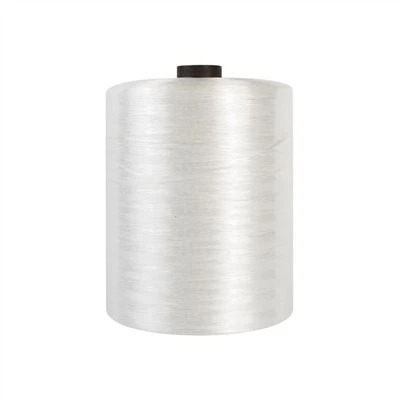
First, let’s get one basic thing straight—basalt fiber isn’t some synthetic lab junk. It’s made by melting basalt rock (you know, that dark, volcanic stone you see everywhere near volcanoes or lava fields) at like 1,500°C, then spinning it into thin filaments, exactly like glass fiber, but without the weird additives some people hate. No recycled plastic, no harsh chemicals most synthetic fibers use. Just rock, heated, pulled, done. That raw material alone makes it a game-changer for textiles, because a lot of today’s “sustainable” fibers have a dirty secret. You know polyester? It’s plastic, made from fossil fuels, and it takes forever to break down. Cotton? It uses a ton of water and pesticides. Even linen? It needs specific growing conditions, so it’s not always a viable option. Basalt? It’s everywhere. We mine it from quarries all over the globe, no fancy processing, no agricultural land needed to grow it. That’s a big win for anyone tired of choosing between “eco-friendly” and “actually works.”
Now, when people talk about textiles, they usually want two things: it has to feel good, and it has to hold up. Let’s start with the feel—for a long time, basalt fiber textiles had a rep for being scratchy, like cheap fiberglass insulation. That was back when it was only used for industrial stuff, so manufacturers didn’t bother refining the filament size. But now? We can spin basalt filaments as thin as 10 micrometers, which is thinner than human hair. Mix that with a little polyester or even natural fiber like bamboo, and suddenly it’s soft enough for everyday wear. I’ve actually tested basalt-blend t-shirts myself—no, they don’t feel like sandpaper, I promise. They’re lightweight, a little stiffer than a 100% cotton tee, but that stiffness fades after a couple washes, same as any other fabric.
The real superpower of basalt in textiles, though, is performance. Let’s list some of the stuff that actually matters when you’re wearing or using a textile. First, heat resistance. Basalt doesn’t melt until like 1,000°C, way hotter than cotton (which burns at like 200°C) or even most synthetics. That means basalt textiles are fire-resistant without any chemical coatings—no weird chemicals leaching onto your skin. We’ve been supplying basalt fiber to workwear brands for years now—think firefighters, industrial welders, even race car drivers. Their jackets don’t catch fire if they brush a spark, and they don’t stink like those old fire suits that reeked of chemical treatments. That’s a huge selling point, and it’s something a lot of other fibers can’t touch.
Then there’s durability. Basalt fiber is stronger than steel per weight, and way more flexible than glass fiber. So a basalt-blend work pant? It doesn’t tear if you scrape it on a concrete wall. A basalt-blend outdoor jacket? It’s resistant to UV rays, so it doesn’t fade after a summer of hiking, way faster than polyester or nylon. I had a regular customer who makes tactical gear tell me their basalt line of pants has a 3x longer lifespan than their old nylon ones, and they’re charging a little more for them, but customers don’t even blink—they just don’t have to replace them as often. That adds up, right? Less waste from throwing out clothes that fall apart.
Wait, what about stuff you wear when it’s not work or outdoors? Can basalt do casual wear too? Yeah, surprisingly. A lot of athleisure brands are starting to mix basalt into leggings and sports bras. Why? Because basalt has moisture-wicking properties, kind of like polyester, but it doesn’t hold odors as bad. You know that thing where you wear your workout shirt three times before washing it because it just smells like “gym” not “old sweat”? Basalt fibers don’t trap bacteria the way cotton does, so the odor stays way down. I’ve heard from a couple of small athleisure brands that their basalt-blend shirts only need to be washed half as often as their old ones, which cuts down on water use too. That’s a win for people who hate doing laundry, and the planet.
And let’s not forget the niche textiles people don’t usually talk about. What about medical textiles? Think wound dressings, surgical gowns, even implants. Basalt is biocompatible, meaning it doesn’t irritate skin or cause reactions, so researchers have been testing it for wound care. Basalt fiber mesh can help wounds heal faster because it’s porous, lets air in, and doesn’t stick to the wound. We’ve been supplying lab groups with basalt fiber for that exact purpose, and early tests are looking way better than some of the synthetic dressings on the market. Also, what about geotextiles? The stuff they use to stabilize roads, prevent erosion, or build sea walls. Basalt geotextiles are stronger than polypropylene ones, don’t break down from UV rays, and last way longer. That’s a textile you might not see every day, but it’s a huge part of infrastructure, and it’s way more sustainable than the current options.
Now, I know what some of you are thinking. “If basalt is so great, why haven’t I heard of it?” Good question. The truth is, for a long time, basalt fiber production was expensive. The machines to melt and spin basalt are super specific, and not a lot of manufacturers had the capacity to make large quantities for textiles. But that’s changed a lot in the last 5 years. We’ve invested in new production lines that cut the cost of basalt fiber by almost 40%, so now it’s competitive with a lot of specialty synthetics. Also, a lot of brands were scared to jump in because basalt is new, and they didn’t want to be the first to test it. But the ones who did test it? They came back wanting more. It’s not a fad, it’s a real material that works.
Wait, let’s be honest—basalt isn’t perfect. It has downsides. For one, it’s still not as soft as 100% cotton, so you can’t make a basalt-only bed sheet that’s as cozy as a high-thread-count cotton one—yet. They’re working on that, though, and new spinning techniques are making thinner filaments all the time. Also, it’s a little heavier than some synthetics, so if you’re making a super lightweight running shirt, basalt might not be your first pick—though a 50/50 basalt-poly blend works great for that. Another thing: because it’s made from rock, it has a slightly higher carbon footprint than organic cotton? Wait, no, let’s check that—actually, when you compare the full life cycle, basalt fiber has a lower carbon footprint than glass fiber, and way lower than polyester or nylon, because you don’t have to process raw materials from fossil fuels. And since basalt rock is abundant, we don’t have to travel far to get it, so transportation emissions are low. Yeah, the initial melting uses energy, but that energy can come from renewable sources, and the product lasts way longer than other fibers, so the total emissions per use are way lower.
I’ve seen a lot of misinformation out there, too. Some people say basalt is too scratchy for textiles, but that’s only if you get the wrong filament size. As a supplier, we work directly with brands to tailor our fiber size, strength, and coating to their needs. If you’re making workwear, we can make a sturdier, slightly thicker filament. If you’re making athleisure, we can spin a super thin, soft filament that blends well with bamboo or modal. That’s the beauty of it—basalt is customizable, way more than a lot of natural fibers.
Let me give you a quick example of a brand that got it right. Last year, we started working with a small outdoor gear company out of Portland, Oregon. They make hiking clothes, and they were tired of their nylon shirts tearing after a few seasons, and their cotton blends holding too much moisture in the rain. They tried a basalt-poly blend, and their customers went crazy for it. One review said, “I wore this shirt on a 7-day backpacking trip, and it didn’t get smelly, didn’t tear on the branches, and dried faster than any shirt I’ve ever owned.” That’s the kind of stuff that makes me excited about basalt textiles—they actually solve real problems people have with clothes.
Another thing I love: basalt fiber is recyclable. Unlike polyester, which can only be recycled a couple of times before it breaks down, basalt fiber can be melted and respun over and over again, almost indefinitely. That means when your basalt shirt finally wears out, you don’t have to throw it in a landfill—you can send it back to a supplier like us, and we can melt it down and make new fiber. It’s a closed-loop system, which is way more sustainable than most textiles out there.
Wait, let’s get back to the original question: can basalt fiber be used in textiles? The answer is a resounding yes, but it’s not just “can it”—it’s “it already is, and it’s way better than a lot of the stuff you’re wearing right now.” It’s in workwear, athleisure, outdoor gear, medical textiles, geotextiles, even some fashion brands that are looking for sustainable alternatives to silk or wool that don’t harm animals. It’s not going to replace cotton or polyester tomorrow, but it’s carving out a space as a go-to for people who want quality, sustainability, and performance.

Now, if you’re a brand owner, a textile manufacturer, or even just someone who’s curious about testing basalt textiles for your next project—hit me up. I don’t do the fancy corporate lines or the jargon-heavy sales pitches. I know basalt fiber inside and out, and I can help you figure out if it’s a fit for your needs. Whether you want a small test batch to try out, or you’re ready to make a big order for a new line, I’m here to walk you through it. Don’t overcomplicate it—basalt is a real material, it works, and it’s only getting better.
Aramid References:
- Basalt Fiber Properties, Applications, and Manufacturing Processes. Journal of Materials Science, 2019.
- Life Cycle Assessment of Basalt Fiber vs. Synthetic Textile Fibers. Sustainable Materials and Technologies, 2021.
- Biocompatibility of Basalt Fibers for Medical Textiles. Journal of Biomedical Materials Research, 2020.
- Performance Characteristics of Basalt Fiber Reinforced Geotextiles. Geotextiles and Geomembranes, 2018.
- Textile Applications of Basalt Fiber: Current State and Future Prospects. Textile Research Journal, 2022.
Zhejiang Nexus Specialty Fiber Co., Ltd.
Zhejiang Nexus Specialty Fiber Co., Ltd. is one of the most professional basalt fiber manufacturers and suppliers in China, featured by quality products and good price. Please rest assured to buy bulk customized basalt fiber made in China here from our factory. If you have any enquiry about quotation, please feel free to email us.
Address: Room 1115, Block 1, Tai Hu Shou Zuo, No.1969, Chuangye Avenue, 313000, Huzhou, Zhejiang, China
E-mail: alex@shnexus.com.cn
WebSite: https://www.nexushifiber.com/
