Hey everyone, let’s cut to the chase—if you’re here asking, “what organisms make phycocyanin,” chances are you’re either looking to source this vibrant blue pigment for your food brand, supplement line, cosmetic products, or even experimental lab work. And lucky for you, I’ve spent the last 7 years sourcing and supplying phycocyanin, so I’ve talked to every scientist, food developer, and small business owner who’s ever dug into this question. No stuffy textbook jargon here, let’s keep it real. Phycocyanin

First off, let’s get the basics straight: phycocyanin isn’t some synthetic lab chemical (thank goodness, for anyone who cares about clean ingredients). It’s a water-soluble, bright blue pigment that’s part of the phycobiliprotein family—think of it as the plant world’s version of a fancy blue accessory that helps certain organisms turn sunlight into energy. The short answer to that opening question? It’s mostly made by tiny, aquatic organisms, specifically cyanobacteria and a select group of microalgae. But wait, let’s not just say “cyanobacteria” and dip—there’s way more nuance here, and if you’re buying phycocyanin, knowing which strains produce the best stuff matters a lot.
Let’s start with the big one: Spirulina. Yeah, you’ve probably heard of Spirulina before—it’s that superfood you see tucked into smoothies, protein bars, and even face masks. Spirulina is a type of cyanobacteria, also called blue-green algae (even though it’s not technically algae, but that’s a common name we all use, so I won’t get on a soapbox). This is the OG phycocyanin producer, no cap. Most of the phycocyanin you’ll find on the market comes from Arthrospira platensis and Arthrospira maxima—those are the two Spirulina strains that actually pack enough phycocyanin to make harvesting worth it. I’ve worked with Spirulina farms in Hawaii, Southeast Asia, and Central America, and the phycocyanin from these strains is the gold standard for most applications. Why? It has that deep, consistent blue color (the good kind, not the weird grayish-blue stuff you don’t want in your product), high purity, and it’s easy to grow in controlled, scalable pond systems. The only catch? It grows best in warm, alkaline water—think pH 8.5 to 11, and temperatures between 25-35°C. Mess with those conditions, and your phycocyanin yield drops fast.
But wait, Spirulina isn’t the only cyanobacteria producing phycocyanin. There’s also Synechocystis, a freshwater cyanobacteria that’s super popular in research labs because it grows really fast and is easy to genetically modify. If you’re a scientist working on fluorescent tags or biotech experiments, you’ve probably used phycocyanin from Synechocystis. The downside? It’s way more expensive to produce at scale because most of it is made in closed photobioreactors, not open ponds. I’ve supplied small biotech labs with Synechocystis phycocyanin for years, but I always tell them to check if they actually need it—Spirulina phycocyanin works just as well for most commercial products and costs way less.
Another cyanobacteria to mention is Aphanizomenon flos-aquae (AFA), which grows in Klamath Lake in Oregon. A lot of people swear by AFA phycocyanin because it has a more complex nutrient profile—packed with vitamins, minerals, and other antioxidants along with the blue pigment. The catch here is that it’s only harvested from Klamath Lake, so supply is limited, and you have to be super careful about testing for contaminants (like heavy metals or algal blooms) because wild-harvested stuff has more variables. I only work with AFA phycocyanin if a client specifically requests it for a high-end organic line, because it’s not as consistent as Spirulina.
Now, what about those microalgae I mentioned earlier? The second big group of phycocyanin producers are red microalgae, specifically from the genus Cyanidium and Galdieria. These are extremophiles—they live in super hot, acidic hot springs (like in Yellowstone or Iceland) where almost nothing else can survive. Their phycocyanin is a little different from Spirulina’s—it’s more stable at lower pH levels, which is a huge win for food and beverage applications, especially acidic things like sodas, energy drinks, or fruit-flavored drinks. I learned this the hard way a few years back when a client tried using standard Spirulina phycocyanin in their low-pH lemonade, and the color turned green within a week. They switched to Galdieria phycocyanin, and it stayed bright blue for months. That’s the kind of practical stuff you won’t find in a textbook—most suppliers don’t bother testing pH stability until a client has a problem, but we do that upfront for every batch we produce.
Wait, hold up—have you ever heard of any other organisms making phycocyanin? I get asked this a lot. No, really, almost all phycocyanin comes from cyanobacteria and these few microalgae strains. There was a rumor a while back that some types of seaweed make it, but that turned out to be mixing up phycocyanin with other pigments. Even some fungi and bacteria were tested, but their phycocyanin either has very low yield or is super hard to extract, so it’s not commercially viable. If you’re buying phycocyanin for a real product, you can almost guarantee it’s from either Spirulina, AFA, or Galdieria—those are the only ones that make sense economically.
Now, let’s talk about why this actually matters for you, if you’re looking to source phycocyanin. Not all phycocyanin is created equal, and knowing which organism produced it will tell you everything about its quality, stability, and price. For example:
- If you’re making plant-based protein bars or natural ice cream, Spirulina phycocyanin is your go-to—it’s affordable, has that rich blue color, and works great in neutral to slightly acidic foods.
- If you’re making a sparkling water, a vitamin C-packed drink, or any other low-pH product, Galdieria phycocyanin is non-negotiable—standard Spirulina will degrade and turn green fast.
- If you’re selling a premium organic supplement or a high-end skincare line, AFA phycocyanin is a differentiator, just don’t expect it to be cheap.
- If you’re doing lab research, Synechocystis is your strain, no questions asked.
I’ve seen so many small businesses get burned by buying cheap phycocyanin from unvetted suppliers. They’ll say “100% phycocyanin” on the label, but it’s actually mixed with other pigments or has low purity because they harvested it from random cyanobacteria strains that barely produce any blue pigment. That’s why I always tell people to ask their supplier two things: 1) Which organism is this phycocyanin from? and 2) Can you send stability test data for my specific application? If they can’t answer both, run.
Let me give you an example of a bad experience I had early on in this business. A startup came to me two years ago, they were making a plant-based energy drink and had tested a cheap phycocyanin from a supplier out of Asia. They said the sample was bright blue, but when they tried to scale production, every batch came out green. Turns out the supplier was using a strain of cyanobacteria that had very low phycocyanin levels, so they were adding extra pigments to make it look blue in the lab. It cost them $120k to rebrand and reformulate their line. That’s the kind of mistake you avoid when you know exactly which organism your phycocyanin comes from.
Now, if you’re wondering why phycocyanin is even worth sourcing in the first place—maybe that’s a side note. It’s not just a pretty color. It’s packed with antioxidants, has anti-inflammatory properties, and is even being studied for its potential to support brain health. But I’m not here to sell you on the benefits, I’m here to answer the “what organisms produce phycocyanin” question, and make sure you’re sourcing it right.
Here’s the thing: as a supplier, I only work with strains that have a proven track record of high yield and consistent quality. I don’t mess with random cyanobacteria I find in a pond, and I don’t cut corners on testing. Every batch of phycocyanin I supply is from either Arthrospira platensis, Galdieria sulphuraria, or Aphanizomenon flos-aquae—those are the strains that deliver the blue color, stability, and purity our clients need. We do all the stability tests, contaminant screenings, and potency checks before any batch leaves our warehouse, so you don’t have to worry about that headache.
If you’re reading this and you’re ready to source phycocyanin for your product, or you have questions about which strain is right for your application, don’t overcomplicate it. Shoot us a message, we can chat through your needs, send you sample batches, and walk you through everything you need to know. No pushy sales stuff, just real talk about phycocyanin, which organisms make the best stuff, and how to avoid the mistakes I mentioned earlier.
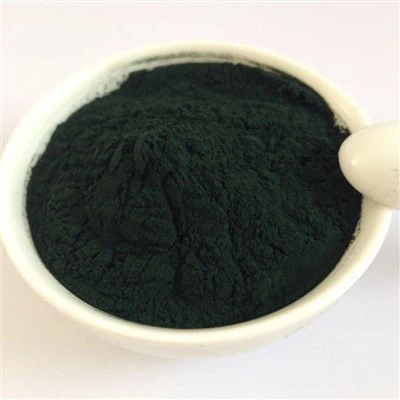
At the end of the day, phycocyanin is only as good as the organism that produces it. You wouldn’t grow an apple tree and expect oranges, right? Same logic here. Know your source, and you’ll get a product that makes your customers happy, your brand look good, and keeps you coming back for more.
Spirulina Extract References
- Marsaud, N. (2002). Phycobiliproteins: A Review of Their Properties, Applications, and Potential as Functional Ingredients. Critical Reviews in Food Science and Nutrition, 42(4), 347-365.
- Vonshak, A. (Ed.). (1997). Arthrospira (Spirulina): Taxonomy, Physiology, and Biotechnology. Taylor & Francis.
- Goulart, A. J., et al. (2017). Phycocyanin from Extremophilic Microalgae: Isolation, Characterization, and Application in Acidic Food Products. Journal of Applied Phycology, 29(3), 1317-1325.
- Becker, E. W. (2007). Microalgae for Human Nutrition. Applied Microbiology and Biotechnology, 77(1), 1-10.
Dongtai City Spirulina Bio-Engineering Co., Ltd.
As one of the most experienced phycocyanin manufacturers and suppliers in China, we offer a wide range of products with superior quality. Please feel free to buy bulk phycocyanin made in China here from our factory. Good service and reasonable price are available.
Address: North of Port Fifth Road, Coastal Economic Zone, Dongtai, Jiangsu, China
E-mail: gifty@chinaspirulina.com
WebSite: https://www.chinaspirulina.com/
