If you’ve ever worked with food preservatives, pharmaceutical excipients, or even cleaning additives, you’ve probably seen “citrate” and “citric acid salt” tossed around like they’re the exact same thing. As someone who’s spent 12+ years selling citrates to food, pharma, and industrial clients, I get the confusion—they sound almost identical on paper, and even some casual suppliers mix them up. But let’s cut the fluff here: they’re not the same. And if you’re ordering ingredients without knowing the difference, you might end up with a product that doesn’t work for your exact use case. Citrates
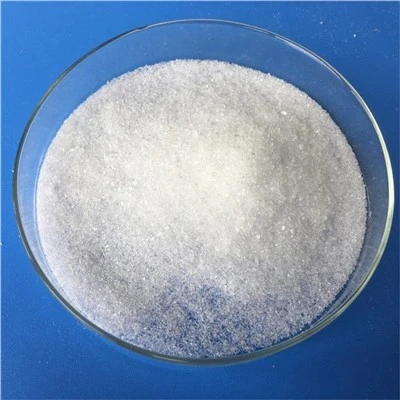
First, let’s break down the basics, no chemistry degree required. Citric acid is a weak organic acid—you know it, that tart stuff in lemons, oranges, even added to sodas to give that zing. Its job, chemically, is to donate a hydrogen ion (that’s what makes acids “acidic”) when it’s in a solution, like water. Now, a salt is what happens when an acid reacts with a base, right? So if you take citric acid and mix it with something basic—like sodium hydroxide, calcium carbonate, or potassium hydroxide—you get citric acid salts. And those salts have a specific name: citrate. Wait, hold on—does that make citrate just the general term for all citric acid salts? Yeah, that’s where the mix-up starts. But here’s the catch: not every citrate is the same, and “citrate” as a general term isn’t interchangeable with any random citric acid salt.
Let’s make this concrete. When you hear someone say “citrate,” they’re almost always referring to one of the three most common forms we supply as a citrate company: sodium citrate, calcium citrate, or potassium citrate. Each of these is a specific salt, made by neutralizing citric acid with a different base. Sodium citrate, for example, is citric acid plus sodium—we use that in food to adjust pH (keep it stable, so your canned tomatoes don’t get too tangy, or your energy drinks don’t go flat), and in meds to treat kidney acid buildup. Calcium citrate is the one you see in supplements, since it’s easy on the stomach and absorbs well, even if you take it with food. Potassium citrate is another one for meds, also used in sports drinks to replenish electrolytes after a long workout.
Now, why can’t you just call any of these “citric acid salt”? Because that’s too vague. If a client tells me they need a citric acid salt for a pH adjuster in a beverage, and I offer them calcium citrate, that’s a problem. Calcium citrate doesn’t dissolve as fast in water as sodium citrate, so it won’t mix right in a drink. And if someone asks for citrate to make a effervescent tablet for a cold, we use sodium bicarbonate with citric acid, but wait—effervescent salts are a slightly different thing, but they still fall under the citrate family, right? No, wait, let’s clarify that to avoid more confusion. Citrate specifically refers to the conjugate base of citric acid, so when citric acid loses its hydrogen ions, it becomes the citrate ion, which pairs with a metal ion (sodium, calcium, potassium) to make the salt. That’s the key chemical distinction: citric acid is the protonated form (has the hydrogen), citrate is the deprotonated form (no hydrogen, paired with a metal). So every citric acid salt is a type of citrate, but not every citrate is the same citric acid salt—and that’s the mistake people make.
I see this mix-up all the time, especially with small food manufacturers or new pharma R&D teams. Last year, a craft soda maker reached out saying they needed “citric acid salt” to keep their seltzer’s pH consistent. They’d tried regular citric acid, but it made the soda too tangy, and they wanted something that balanced the flavor without altering the carbonation. If I’d just said “citrate” and thrown calcium citrate at them, that would’ve been wrong. Calcium citrate is less soluble, so it would’ve left a gritty texture in the seltzer. Instead, I explained that they meant sodium citrate—specifically, trisodium citrate dihydrate, which is the form we supply for beverage use. It dissolves quickly, adjusts pH to the mild level they wanted, and doesn’t clash with the fruit flavor they were going for. That saved them from a bad batch, and they’ve been a repeat client ever since.
Another common area of confusion is pharmaceuticals. A lot of over-the-counter pain relievers use citrate as a buffer to make the medicine easier on the stomach. If someone says “citric acid salt” for that use, potassium citrate is often a bad call—too much potassium can be an issue for people with kidney problems, so sodium citrate is the go-to there. But if a client needs a supplement binder, they might ask for citrate, not realizing calcium citrate is perfect for that because it’s a solid, stable salt that sticks well to other ingredients in a tablet.
Now, let’s talk about the nitty-gritty that even some suppliers skip over: purity grades. We supply food-grade, pharma-grade, and industrial-grade citrates, and that’s another layer that makes “citrate” not the same as “citric acid salt.” Industrial-grade citrate is for things like cleaning products or concrete additives, which don’t need the strict purity standards of pharma-grade. If a cleaning supply company ordered “citric acid salt” and got pharma-grade sodium citrate, that’s a huge waste of money—they don’t need the testing and documentation that comes with pharma-grade. But if a pharma company ordered generic “citrate” and got industrial-grade, that’s a compliance nightmare. We make it a point to clarify that when a client says “citrate,” we ask: metal type, grade, end use, because that’s how we avoid mistakes.
Wait, let’s address the elephant in the room: is there a time when “citrate” and “citric acid salt” are interchangeable? Only if you’re talking about the general chemical category. Like, if you’re explaining basic chemistry to a student, saying “citrate is a citric acid salt” is technically true. But for anyone ordering ingredients, especially in commercial or industrial settings, that’s way too vague to work. Imagine ordering a bag of salt for cooking and getting Epsom salt instead of table salt—same general category, totally wrong for the job. That’s exactly what happens when people mix up these terms.
I’ve also seen a lot of online forums where people argue about this, saying “they’re the same” or “totally different”—the confusion comes from context. Let’s break down context:
- If you’re a chemist talking about acid-base reactions: Citrate is the conjugate base, so it’s a type of citric acid salt. That’s the technical definition.
- If you’re a food manufacturer sourcing ingredients: “Citrate” means a specific salt (sodium, calcium, potassium) with a specific solubility and pH, and “citric acid salt” is too broad to be useful.
- If you’re a retail buyer for supplements: “Citrate” almost always refers to calcium citrate, not a random citric acid salt.
As a supplier, my job isn’t just to sell product—it’s to make sure clients get what they actually need. A few years back, a small-scale pet food maker reached out, confused because they’d used citric acid in their wet cat food but it was causing stomach upset in some cats. They thought switching to “citric acid salt” would fix it, but they didn’t know that citric acid is too acidic for a cat’s sensitive gut. We recommended monopotassium citrate, a milder citrate salt that adjusts pH without being harsh. Their customer complaints dropped almost overnight, and they now buy all their citrates from us.
Another mistake people make: thinking all citrates are the same in terms of functionality. For example, sodium citrate is a chelating agent—meaning it binds to metal ions, which is why it’s great for keeping salad dressings from separating. Calcium citrate doesn’t do that, so you can’t use it for emulsifying dressings. If you tried to use calcium citrate in a vinaigrette, it would just sink to the bottom, not bind the oil and vinegar. That’s a practical difference that comes down to being specific about which citrate salt you’re using, not just calling it “citrate” or “citric acid salt.”
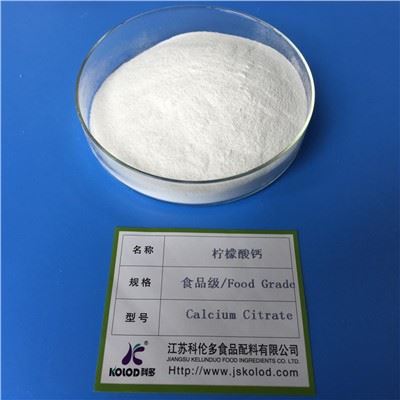
So, to wrap this up for anyone who’s still confused: Citrate is the general term for all citric acid salts, but when people (especially in business or industry) say “citrate,” they’re almost always referring to a specific, metal-based salt. “Citric acid salt” is a vague term that doesn’t specify which salt you need—and using the wrong one can lead to failed products, wasted money, or even safety issues (like using the wrong grade for pharma or food).
Formates If you’re working with food, pharma, supplements, or industrial products and you’re not 100% sure which citrate you need—whether it’s sodium, calcium, potassium, or another form, and which grade fits your project—don’t guess. We’re here to walk you through what works for your exact use case. We’ve got 12 years of experience helping clients avoid the pitfalls of mixing up these terms, and we can help you pick the right citrate for your next batch. Just reach out to us, and we’ll make sure you get the product that does exactly what you need.
References
- Food and Drug Administration. (2022). GRAS Substances Database: Citric Acid and Citrate Salts. U.S. Department of Health and Human Services.
- The Merck Index. (17th ed.). Monographs on Citric Acid, Sodium Citrate, Calcium Citrate, Potassium Citrate. Royal Society of Chemistry.
- Association of Official Analytical Chemists. (2021). Methods for Testing Citrate Salts in Food and Pharmaceutical Products. AOAC International.
- CRC Handbook of Chemistry and Physics. (2023). Conjugate Acids and Bases: Citric Acid and Citrate Ion Properties. CRC Press.
- Journal of Pharmaceutical Sciences. (2020). Excipient Selection for Oral Solid Dosage Forms: A Review of Citrate Salts as pH Adjusters and Binders. Elsevier.
Jiangsu Kolod Food Ingredients Co., Ltd.
We are one of the most professional citrates manufacturers and suppliers in China, featured by quality products and good price. Please rest assured to wholesale bulk premium citrates made in China here and get free sample from our factory. Customized orders are welcome.
Address: South Side of Weier Road, Guanyun Development Zone, Lianyungang City, Jiangsu Province, China
E-mail: sales1399@jskolod.com
WebSite: https://www.kolodfoodingredients.com/
