As someone who’s worked in the copper wire mesh supply industry for over a decade, I get it—when it’s time to pick a window screen, there’s a lot of noise out there. Polyester, fiberglass, aluminum, even stainless steel get thrown around as the “best” options, and it’s easy to dismiss copper wire mesh as a niche, overpriced pick. But I’ve watched homeowners, contractors, and architects circle back to copper again and again for a reason. It’s not just a trend, and it’s not just about that warm, rustic look; it’s a practical, long-lasting solution that solves problems other screen materials can’t. Let’s break down whether it’s actually worth considering for your windows, no sales pitch fluff—just the real stuff I’ve learned from supplying mesh to residential and commercial projects alike. Copper Wire Mesh
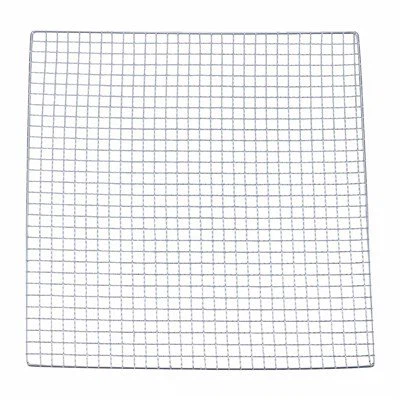
First, let’s start with the basics: what makes copper wire mesh different from other screen materials? Unlike fiberglass, which is plastic-based and stretches or frays over a few years, or aluminum, which bends easily and corrodes in humid coastal areas, copper is a pure metal (most of what we supply is 99.9% electrolytic copper, the same grade used in electrical wiring—so it’s durable stuff). The mesh is woven into tight, consistent patterns, with openings sized to keep bugs out while letting airflow and light through. But durability is just the tip of the iceberg here.
One of the biggest advantages that comes up again and again in customer feedback is copper’s natural antimicrobial properties. That’s not some old wives’ tale—studies, including research from the University of Southampton, have found that copper kills 99.9% of common bacteria, viruses, and fungi within hours of contact. Think about that for a window screen: where do you spend most of your time around windows? Kitchens, bedrooms, maybe a sunroom. Fiberglass screens can trap mold and mildew in their fibers, especially if you live in a place with high humidity or lots of rain, because plastic doesn’t let moisture evaporate. Copper doesn’t hold onto moisture, so mold and mildew struggle to grow on it. I had a customer in Florida last year tell me his fiberglass screens would get black spots every summer, no matter how much he cleaned them, but his copper screens still looked bright after three years with zero mold. That’s a huge win for indoor air quality, especially if you have kids, allergies, or pets.
Then there’s corrosion resistance. A lot of people assume metal screens all rust, but copper doesn’t rust like iron or steel. It develops a patina over time—that greenish-brown layer that’s iconic on copper roofs and statues. That patina actually protects the copper underneath from further corrosion, so even if you live near the ocean (where salt air eats through aluminum in a couple of years) or in a rainy, acidic area, copper will hold up way longer than other metals. I supplied mesh to a project in Seattle a few years back, where the average rainfall is over 38 inches a year; the contractor told me the aluminum screens installed next to the copper ones started showing pitting after two years, and the copper still looked intact. For window screens, that means you won’t have to replace them every 5 to 7 years like you do with fiberglass or aluminum. Our customers often say their copper screens last 15 to 20 years, which works out to a better long-term cost, even if the upfront price is a bit higher.
Wait, but what about weight? Some people worry copper is too heavy for window frames. Let’s set that straight: copper wire mesh is lightweight—we supply most of our window screen meshes at around 0.5 to 1 pound per square foot, which is roughly the same as medium-duty aluminum screen. The weaving process we use (plain weave or twill weave, depending on the customer’s needs) keeps it flexible enough to fit into standard window screen frames, and we work with contractors to recommend the right gauge for different window sizes. For most residential windows, 22-gauge or 24-gauge copper wire works perfectly; heavier gauges are for larger openings or areas with more wind, which we can adjust for. I’ve never had a customer tell us their frames couldn’t handle the weight, as long as they use standard, properly installed screen frames.
But it’s not all perfect, right? No material is. Let’s be honest about the downsides, because transparency matters. First, the upfront cost: copper wire mesh is more expensive than fiberglass or basic aluminum. Right now, it’s about 2 to 3 times the cost of fiberglass, and a bit more than budget aluminum. For someone building a budget home, that might be a stretch. Second, the patina: some people love that aged, rustic look, but if you prefer the bright, shiny copper right after installation, you’ll have to wait a few months for it to develop the patina. It can take 6 to 12 months for the full patina to set, and it will change over time as it’s exposed to the elements. That’s a feature for most customers I work with, but it’s something to consider if you want a consistent, bright look forever. Third, copper isn’t as good at resisting impacts as stainless steel. If you have kids or pets that like to throw things at windows, stainless steel might be a better pick, but for standard window use (daily use, light debris), copper holds up great.
Now, let’s talk about use cases where copper wire mesh shines, because it’s not for every window. If you’re in a humid coastal area, or an older home with problems with mold and mildew, copper is a no-brainer. It’s also popular for sunrooms, patios, and screened porches, where you want airflow without worrying about bugs or dirt getting trapped. I also work with a lot of architects who specify copper screens for historic renovations, because the patina matches old copper trim and roofs, so it keeps the look of the building intact. Even for homes with allergies, the antimicrobial property is a big plus—dust mites and pollen don’t cling to copper the way they do to fiberglass, so your windows stay cleaner longer, and you’re not circulating extra allergens into your house.
Wait, let’s address a common myth: some people think copper will react with window paint or frames. That’s not a problem if you install it correctly. We recommend using non-ferrous fasteners (like brass or copper nails, not steel) to attach the mesh to frames, and if your window frames are painted, as long as the paint is in good condition, copper won’t react with it. We’ve been supplying mesh for years and haven’t had a single customer report frame damage from copper.
Another point: light transmission. Copper mesh is woven to have about 80% light transmission, which is roughly the same as fiberglass. That means you won’t have a dark, cave-like view out your windows—you’ll still get natural light, and the view will be clear. The woven pattern is tight enough to keep small bugs (like gnats and mosquitoes) out, which is the main job of a window screen.
So, is copper wire mesh suitable for window screens? The short answer is: it’s perfect for the right scenario, and worth considering if you prioritize durability, low maintenance, and indoor air quality, even if the upfront cost is a bit higher. It’s not the best pick for a temporary rental property where you need cheap screens, or if you’re on an extremely tight budget. But for long-term residential use, commercial buildings, or historic renovations, it’s a material that pays for itself over time.
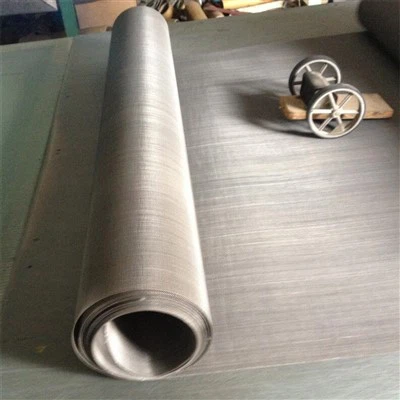
As someone who’s been in this business, I’ve seen customers switch from fiberglass to copper and never look back. The ones who used to complain about replacing screens every few years now tell us their copper screens are still going strong a decade later, and they love that they don’t have to deal with mold or fraying edges. If you’re thinking about upgrading your window screens, want more information on gauge sizes, custom cuts, or pricing, feel free to reach out to our team to discuss your specific needs. We work with homeowners, contractors, and architects to find the right copper wire mesh solution for any window project.
Perforated Metal Mesh References
- Centers for Disease Control and Prevention. "Antimicrobial Properties of Copper for Public Health." 2022.
- University of Southampton. "Copper Surfaces Kill 99.9% of Bacteria Within Hours, Study Confirms." 2015.
- Window & Door Manufacturers Association. "Screen Material Durability Comparison Report." 2021.
- Copper Development Association. "Copper for Architectural Applications." 2023.
Anping Chenran Wire Mesh Co., Ltd.
We’re well-known as one of the leading copper wire mesh manufacturers and suppliers in China. With a professional production team, we are able to meet the needs of the majority of our customers. Please rest assured to buy high quality copper wire mesh in stock here from our factory.
Address: 500 Meters North of Guozhuang Village, Daziwen Town, Anping County, Hengshui City, Hebei, China
E-mail: sales@chenranwiremesh.com
WebSite: https://www.chenranwiremesh.com/
