As a PP-R pipes and fittings supplier, I’ve worked with countless contractors, plumbers, and project managers over the 12 years I’ve been in the industry. One mistake I see all too often—one that leads to leaks, misaligned connections, and unnecessary cost overruns—is wrong diameter measurement. PP-R (Polypropylene Random Copolymer) is durable, flexible enough for most residential and commercial plumbing, and cost-effective, but only if you measure correctly. Get the diameter wrong, and even the high-quality PP-R fittings I supply won’t seal right. PP-R Pipes and Fittings
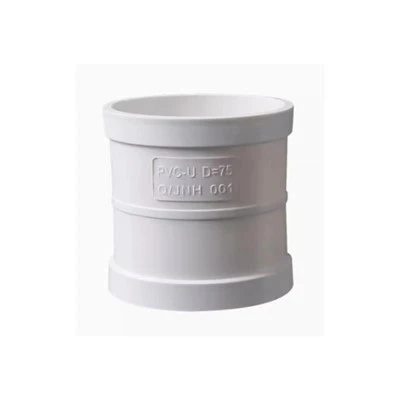
Let’s break this down simply. First, you need to know there are two key measurements when it comes to PP-R pipes and fittings: nominal diameter (DN) and outer diameter (OD). Nominal diameter is an industry standard label that’s close to the actual inner diameter, but it’s not exact. For PP-R specifically, the outer diameter is the true measurement you need to match fittings to pipes. That’s the number that dictates whether your coupling, elbow, or reducer will slide on and seal properly.
I’ll walk you through how to measure both accurately, no fancy equipment required—just tools most people already have in a toolbox.
First, measuring outer diameter (OD) of a PP-R pipe. This is the most critical step, because PP-R pipes have a thick wall, so the inner diameter is smaller than the outer, and fittings are sized to match the outer. Grab a digital caliper if you have one—they’re cheap, accurate, and standard in any plumbing supply shop. If you don’t have a caliper, a steel tape measure works too, though it’s a little trickier.
For digital calipers: Open the jaws of the caliper wide enough to wrap around the pipe. Place the pipe flat on a workbench, no bending it, because flex can throw off the measurement. Gently close the jaws until they snugly grip the outer surface of the pipe on opposite sides. Don’t squeeze too hard—you don’t want to compress the PP-R wall. The display will show a number in millimeters, which is your OD. PP-R pipes we supply come in standard ODs: 20mm, 25mm, 32mm, 40mm, 50mm, 63mm, and up to 110mm for larger commercial projects. Most residential plumbing uses 20mm for hot/cold water lines and 25mm for main lines, but always confirm with your measurement.
If you only have a tape measure: Wrap the tape snugly around the widest point of the pipe. Make sure the tape is parallel to the floor, not twisted, and not stretched tight enough to indent the PP-R. Note that number—that’s the circumference. Then use the formula for diameter from circumference: Diameter = Circumference ÷ π (pi, which is approximately 3.1416). For example, if your circumference is 78.5mm, divide by 3.1416 to get 25mm, which is a common residential pipe size. This method is slightly less accurate than a caliper, but it’s reliable enough for most jobs.
Now, what about PP-R fittings? Fittings are measured the same way: their outer diameter, because that’s what connects to the pipe. Wait, but sometimes you’ll see a fitting labeled with a nominal diameter, like “20mm elbow.” That should correspond to a 20mm OD pipe, but it’s still a good idea to confirm. Here’s the thing: over time, PP-R can expand slightly if it’s exposed to high temperatures (like hot water lines), so if you measure a pipe that’s been in use, it might be a millimeter or two larger than a new pipe. That’s why, when replacing a pipe or adding a fitting to an existing line, always measure the actual pipe, not just the old fitting’s label. I’ve seen guys grab a 20mm elbow because that’s what they used last time, only to find the old pipe stretched to 21mm after 10 years—suddenly the new fitting won’t slide on, and they have to cut more pipe.
Another mistake I see: measuring inner diameter, not outer. Let’s clear that up. Inner diameter is how wide the inside of the pipe is, which is important for flow rate, but not for fitting compatibility. PP-R fittings are designed to fit over the outer wall of the pipe, so if you measure the inside, you’ll get a number that’s too small, and you’ll end up with a fitting that’s too loose, leading to leaks. That’s a costly error. Last year, a contractor came to me with a pile of 25mm fittings that wouldn’t fit his pipes—he’d measured inner diameter and ordered the wrong size. We had to exchange half his order, and he lost two days on the job. Don’t let that be you.
For larger PP-R pipes, like those used for underground water mains or commercial building supply lines (110mm and up), you might use a different tool: a measuring tape or a pipe ruler. The process is the same as with a smaller pipe, but because the pipe is thicker and sturdier, it’s easier to get an accurate circumference measurement. Just make sure you’re measuring the outer surface, not the inner wall, and that the tape is straight around the pipe, not pulled tight. If the pipe is long and hard to move, you can measure a short section of it that’s free of dents or scratches—dents will throw off the diameter, so pick a smooth spot.
What about if you’re measuring a PP-R fitting that’s been cut, like a coupling or a tee? You can measure its outer end with a caliper, same as a pipe. If the fitting has a male thread end (like an adapter to connect to a metal pipe), the thread size is a different measurement, but for the PP-R part of the fitting, outer diameter is still key. Female thread ends are sized to match the OD of the male pipe, so again, confirm the pipe’s OD to pick the right adapter.
I always tell my customers: when in doubt, measure twice. PP-R is forgiving, but connections need a perfect fit to prevent leaks. I supply all the standard sizes, plus a few specialty ones for unique projects, but I can’t help if someone orders the wrong size because they measured wrong. That’s why I make sure every customer I work with knows how to get an accurate measurement before they place an order.
Wait, let’s add a quick tip for hot water lines. PP-R has a higher temperature tolerance than some other plastics, but when hot water flows through the pipe, it can expand about 2-3% at 80°C, which is the standard for residential hot water. So if you’re installing a hot water line that’s already had a few fittings, measure a section of pipe that’s at room temperature when you’re fitting it. If you measure a hot pipe, it’ll be slightly larger, and once it cools, the fitting might be too loose. That’s a small detail, but it prevents a lot of headaches later.
Another thing to watch for: counterfeit PP-R products. Some cheap knockoffs have thinner walls, so their outer diameter might be smaller than labeled, or they might expand more than genuine PP-R. That’s why buying from a reputable supplier matters—like me. Our PP-R pipes and fittings meet ISO standards, so their diameter is consistent, no matter what size you order. If you’re buying from a random supplier online, the diameter might be off by 1-2mm, which is enough to cause a bad seal.
So to recap: 1. Always measure the outer diameter (OD), not inner. 2. Use a digital caliper for highest accuracy, or a tape measure and circumference formula if you don’t have a caliper. 3. Confirm the diameter of the pipe, not just the old fitting’s label, especially when replacing or repairing. 4. Account for temperature expansion when working with hot water lines.
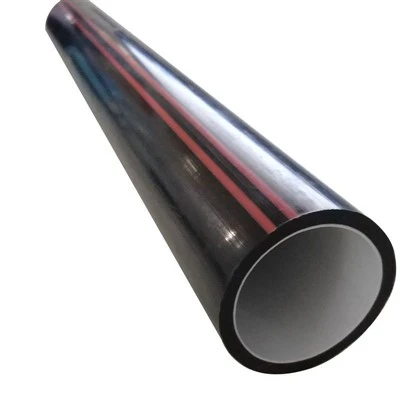
If you’re working on a project, whether it’s a small residential bathroom remodel or a large commercial plumbing system, getting the right diameter measurement is the first step to a leak-free installation. I’ve been in this industry long enough to know that even the best PP-R products won’t perform if they’re not sized correctly. If you’re unsure about what size you need, or you want to confirm the diameter of the pipes or fittings you have, feel free to reach out to my team to discuss your requirements. We can help you confirm measurements, recommend the right products, and make sure your project goes smoothly. No more wasted time or money from wrong size orders—just reliable PP-R pipes and fittings that fit perfectly, every time.
PP-R Pipes and Fittings References:
ISO 15874-2:2019, Plastics piping systems for hot and cold water supply — Polypropylene (PP) — Part 2: Pipes
ASTM F2387-18, Standard Specification for Polypropylene (PP) Random Copolymer Plastic Pressure Pipe
Plumbing Engineering Magazine, 2022, "Common Measurement Mistakes in Plastic Piping Installation"
World Health Organization, 2021, "Guidelines for Polypropylene Piping in Residential Water Systems"
Shanxi Kaisheng Plastic Co., Ltd.
As one of the most professional pp-r pipes and fittings manufacturers and suppliers in China, we’re featured by quality products and good price. Please rest assured to buy customized pp-r pipes and fittings made in China here from our factory. Welcome to contact us for quotation.
Address: No.72, Area S, Gate 1, Haohai Wumart, Fendong Street, Xiaodian District, Taiyuan City, Shanxi Province
E-mail: sxkssj8@163.com
WebSite: https://www.sx-kssj.com/
