If you’ve ever walked across a newly finished concrete patio, a polished warehouse floor, or a weathered stone walkway, you’ve likely felt the work of power tools that turn rough, unfinished surfaces into something functional and durable. As a supplier of bush hammered machines, I get asked a lot of questions about the tools I sell—but none is more common than “What’s the difference between a bush hammered machine and a power trowel?” It’s a fair question, especially for contractors, floor layers, or construction business owners who want to pick the right tool for their job, not just the most popular one. Bush Hammered Machine
I’ve been in this industry for 12 years, running a small equipment supply business that works with concrete crews, stone fabricators, and restoration teams across the Southeast. I’ve sat in on job site conversations where a seasoned foreman argued power trowels were the only way to finish a warehouse floor, while a younger crew insisted their bush hammered machine was the better pick for a historic bridge repair. The truth is, neither is wrong—they’re just designed for completely different jobs, and mixing them up can lead to wasted time, money, and even safety issues. Let’s break this down like I do when I’m walking a first-time customer through my showroom, no jargon, no sales fluff, just real-world use cases.
First, let’s start with what each tool actually does, because that’s where most of the confusion starts. A power trowel is, at its core, a concrete finishing tool. If you’ve ever seen a concrete pour that looks like a smooth, even driveway or a shiny showroom floor, that’s a power trowel at work. It’s designed to refine the surface of freshly poured concrete right after it’s been placed, troweled, and floated. A typical power trowel has two rotating arms with wide, flat metal blades (sometimes called paddles) that spin around a central axis as you guide the machine across the concrete. The blades apply consistent pressure to push aggregate down into the concrete, smooth out any high or low spots, and remove the minor air pockets that form during pouring. It’s the tool used to get that sleek, uniform finish most people associate with new concrete.
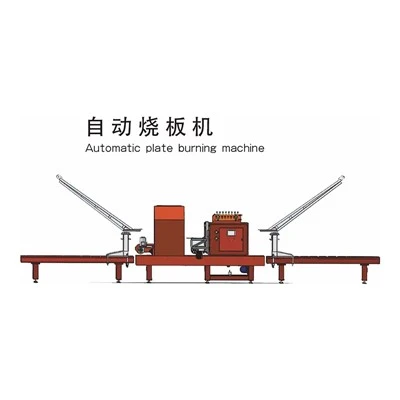
Now, a bush hammered machine is totally different. This is a surface profiling and texturing tool, not a finishing tool. It’s used on hardened, cured concrete or natural stone, not wet, fresh material. Instead of flat blades, a bush hammered machine has multiple small, pointed metal tips (think of tiny, chisel-like teeth) arranged in a rotating head or series of heads. When the machine runs, these tips pound into the surface of the concrete or stone at a precise, controlled frequency, chipping away the top layer to create a rough, non-slip texture. The depth of the chip depends on the machine’s settings—you can get a subtle, uniform texture for a patio, or a deeper, more aggressive texture for roadways or industrial floors that need extra traction.
That basic functional difference leads to a whole host of variations in how each tool is used, what jobs they’re best for, and even the results they produce. Let’s talk about use cases first, because that’s where contractors weigh in most heavily. Power trowels are exclusively for wet concrete work, typically used within 1 to 4 hours of pouring, once the concrete has set enough to support the machine’s weight but is still soft enough to manipulate. They come in two main sizes: walk-behind trowels for smaller jobs like residential patios or garage floors, and ride-on trowels for large commercial pours like warehouse floors or parking garages, where the crew needs to cover hundreds of square feet in a day. A power trowel’s goal is to create a hard, smooth surface that’s easy to clean, takes sealant well, and has a consistent, polished look. It’s not meant to change the texture drastically—most finished power trowel concrete has a slight sheen, and any small variations in aggregate are smoothed over.
Bush hammered machines, on the other hand, are for cured, hardened surfaces—usually 28 days after a pour, when the concrete has reached its full strength, or older surfaces that need repair or restoration. They’re used on jobs where slip resistance is non-negotiable, like highway on-ramps, pool decks, stair treads, or outdoor walkways that get wet all year round. They’re also the go-to tool for restoration work: if you have a historic bridge that has a smooth, slippery concrete surface that’s become a hazard, a bush hammered machine can recreate the original, anti-slip texture that wore off over decades of traffic. For stone work, like granite countertops or natural stone floor tiles, bush hammered machines are used to create a decorative, rustic finish that’s popular for modern and traditional design alike. The key here is that bush hammered machines alter the surface profile, not just smooth it—they remove a layer of material to create texture, rather than working with soft concrete to refine an existing surface.
Next, let’s talk about the physical differences in the tools themselves, because that translates directly to how they perform on a job site. A power trowel is a relatively lightweight, maneuverable machine, usually weighing between 100 and 300 pounds for walk-behind models, and up to 1,000 pounds for ride-on versions. They have a simple, gasoline or electric engine, and the rotating blades are adjustable—you can change their angle to get a finer or coarser finish as you work. The blades are flat, so they don’t penetrate the concrete surface, which is crucial for wet work—penetrating too deep would cause unevenness or damage to the concrete as it sets.
A bush hammered machine is heavier, more robust, and built for impact rather than smooth pressure. Most models weigh between 200 and 500 pounds, with heavy-duty frames that can handle the repeated pounding of the hammer tips. The rotating heads that hold the tips are much more durable than power trowel blades, and the engines are designed to deliver high torque at low speeds, because the tips need to strike the surface consistently without bouncing or damaging the machine. There are different types of bush hammered machines too: handheld models for tight spaces like stair edges or around columns, and walk-behind models for large areas like warehouse floors or bridge decks. The handheld ones are similar in weight to a heavy power trowel, but the walk-behind versions are much bulkier, because they need to support the rotating hammer heads and absorb the vibration from the impacts.
One of the biggest mistakes I see new contractors make is trying to use a power trowel to replicate a bush hammered finish, or vice versa. Let me give you a real example from a job I consulted on two years ago: a commercial construction crew was pouring a 10,000-square-foot warehouse floor, and their project manager insisted they use a bush hammered machine to add slip resistance, because he’d heard it was “better for heavy use.” He rented two handheld bush hammered machines, and the crew spent three full days working on the floor, only to find that the tips were chipping too deep into the fresh concrete, creating uneven patches where some areas were almost thin enough to crack, and others had rough, pitted spots. By the time they realized their mistake, the concrete was already curing, and they had to grind down the entire floor and start over with a power trowel. That mistake cost them $12,000 in material and labor, plus a two-week delay on their opening date.
On the flip side, I worked with a restoration company last year that was redoing a 50-year-old stone plaza in downtown Charlotte. They tried using a power trowel to recreate the original non-slip texture, but the flat blades couldn’t penetrate the hardened stone, so they ended up with a surface that was just as slippery as it was before. Once they rented a walk-behind bush hammered machine, they were able to adjust the tip depth to match the original texture, and finished the job in half the time it would have taken with other tools. That’s the key: matching the tool to the job’s specific requirements.
Let’s also talk about long-term durability and maintenance, because that’s a big factor for business owners who rely on their tools to turn a profit. Power trowels are relatively low-maintenance. The blades wear down over time, but they’re cheap to replace, and cleaning the machine is as simple as hosing off any concrete residue after use. Most walk-behind power trowels can last 5 to 10 years with regular care, as long as you change the oil and sharpen the blades as needed.
Bush hammered machines, while durable, have higher maintenance costs because of the hammer tips. Those pointed metal tips wear down quickly, especially when working on hard stone or dense concrete, and they need to be replaced every 10 to 50 hours of use, depending on the material. For contractors who use a bush hammered machine daily, that’s a recurring expense, but it’s worth it for the results. The frames and engines on bush hammered machines are built to withstand heavy impact, so they can last 15 years or more, as long as you keep the heads lubricated and replace worn tips regularly.
Another point to consider is safety, which I always emphasize to my customers. Power trowels are safe when used correctly, but they can cause falls if the concrete surface is uneven, or if the operator doesn’t maintain control of the machine—especially ride-on models, which are large and require training to operate. Bush hammered machines, particularly handheld models, carry a higher risk of vibration-related injuries if operators don’t use anti-vibration gloves and take regular breaks. The repeated impact of the tips can cause hand-arm vibration syndrome over time, so it’s critical for crews to follow safety protocols when using these tools. Walk-behind bush hammered models are safer for large crews, because they reduce the amount of hand-arm vibration exposure.
So when should you use each tool? Let’s make a quick, easy guide that any contractor can reference:
- Use a power trowel for: Wet concrete pours, getting a smooth, uniform, non-porous finish, indoor floors that need to be polished or sealed, parking garages, residential driveways and patios.
- Use a bush hammered machine for: Cured concrete or stone, non-slip surfaces for outdoor areas, stair treads, highway surfaces, restoration of old concrete or stone, decorative rustic finishes for countertops and floors.
If you’re still unsure which tool you need, here’s a test: Ask yourself two questions. First, is the material I’m working with wet concrete, or is it already cured (28 days old or older)? If it’s wet concrete, you need a power trowel. If it’s cured concrete or stone, a bush hammered machine is the right choice. Second, do I need a smooth, reflective finish, or a rough, slip-resistant texture? If you want something sleek that will take a polish, go with a power trowel. If you need traction or a decorative, textured look, pick a bush hammered machine.
As a supplier of bush hammered machines, I don’t sell power trowels, and I’m honest with customers when a bush hammered machine isn’t the right fit for their job. I’ve seen too many contractors waste money renting the wrong tool, or buying a machine that sits in their warehouse unused because it doesn’t match their typical projects. My job isn’t just to sell equipment—it’s to help my customers do the job right, on time, and on budget. That’s why I offer free consultations to anyone who’s not sure which tool they need, and I bring samples of finished work so they can see the difference between a power troweled surface and a bush hammered surface for themselves.
Over the years, I’ve found that the best way to demystify these tools is to show, not just tell. Last month, I hosted a demo at my warehouse in Atlanta, where a group of 12 contractors got to run both a walk-behind power trowel and a handheld bush hammered machine on test pieces of concrete. By the end of the day, several of them told me they’d been using the wrong tools for years, and that the demo had saved them from another costly mistake. That’s exactly the kind of value I try to provide, beyond just selling parts or machines.
At the end of the day, whether you’re a small residential contractor or a large commercial construction company, picking the right tool for the job makes all the difference. A power trowel and a bush hammered machine both have specific purposes, and neither is better than the other—they’re just different tools for different jobs. If you’re working on a new concrete pour and need a smooth, finished surface, a power trowel is your go-to. If you’re restoring an old walkway, adding non-slip traction to a highway, or creating a decorative textured finish, a bush hammered machine is the only way to get the job done right.

If you’re ready to invest in equipment that fits your project needs, or if you just have questions about which tool is right for you, don’t hesitate to reach out for a consultation. We work with contractors across all industries, from residential to commercial to historic restoration, and we’re here to help you find the perfect solution for your next job.
Bush Hammered Machine References:
- Concrete Construction Magazine. (2021). “Surface Finishing Tools: A Guide to Power Trowels and Texturing Equipment.”
- International Masonry Institute. (2020). “Bush Hammering: Techniques, Safety, and Applications for Concrete and Stone Restoration.”
- Occupational Safety and Health Administration (OSHA). (2019). “Safety Guidelines for Power Tool Operation in Construction.”
- American Concrete Institute (ACI). (2018). “Guide for Finishing Cast-in-Place Concrete.”
Nanan Yeteng Machinery Co., Ltd.
With abundant experience, we are one of the most professional bush hammered machine manufacturers and suppliers in China. Please feel free to wholesale durable bush hammered machine in stock here from our factory. All customized machines are with high quality and competitive price.
Address: Nan’An Ye Teng Machinery Co Ltd(No,Dk24-F, Hailian Hi Tech Business Incubator, Shuitou Town, Nanan City Fujian China)
E-mail: 17758730131@163.com
WebSite: https://www.yetengmachine.com/
