If you’ve ever stood in front of a rusted, stuck gate valve in a basement or industrial facility, you know how easy it is to rush the job—and how often that rush leads to a valve that leaks, sticks open, or breaks entirely. As a gate valve supplier, I’ve spent thousands of hours walking maintenance teams, plant managers, and even DIYers through proper valve operation, and the number one mistake I see is cutting corners on the closing process. Gate valves aren’t like ball valves or butterfly valves; they’re designed to create a full, unobstructed flow path when open and a solid block when closed, but only if you follow the right steps. Skip a small detail, and you’ll end up with a valve that doesn’t hold pressure, or worse, a seized gate that costs you thousands in repairs or downtime. Gate Valve
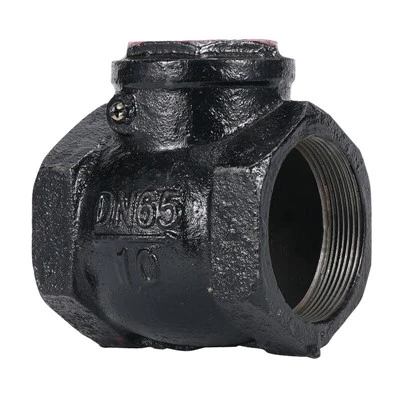
Let’s start with the basics: why closing a gate valve correctly matters. A gate valve works by lifting a thin, wedge-shaped gate out of the flow path when open, and lowering it fully into the pipe when closed to stop fluid (water, oil, gas, or chemicals) from passing through. If you don’t seat the gate properly, you’ll get a small gap, and over time, that gap will erode the gate or the valve seat, leading to leaks. If you over-tighten the valve when closing, you’ll damage the stem, the packing (the material that seals around the stem to prevent leaks), or even the gate itself. I’ve seen dozens of valves come back to my warehouse with broken stems or scored gates just because someone cranked the wheel as hard as they could when closing, thinking “tighter is better.” It’s not.
Now, let’s break down the step-by-step process, tailored to both industrial gate valves (the ones we supply for refineries, water treatment plants, and manufacturing facilities) and residential or light commercial gate valves (found in home plumbing, irrigation, or small commercial buildings). First, before you even touch the valve, do a pre-inspection. This is a step many people skip, and it’s critical. Look at the valve body, stem, and wheel for any signs of damage: cracks, rusted threads, a bent stem, or missing parts. If the valve is stuck, don’t force the wheel—you’ll strip it or break the stem. Spray a lubricant specifically designed for valve stems (not regular WD-40, which is too thin and evaporates quickly) on the stem threads and let it sit for 10 to 15 minutes before trying to turn the wheel. That small extra step can save you from a huge headache later.
Next, confirm the valve is in the right state before closing. Gate valves have a clear indicator: the stem will extend out of the valve body when fully open, and retract when fully closed. Before you start closing, make sure the valve is not already partway open or closed. If it’s partway, that’s actually a bad position for a gate valve—they’re designed to be either fully open or fully closed, not in between. Partially open gate valves cause turbulence, which erodes the pipe and the valve gate over time. So if you’re closing a valve that was regulating flow partway, it’s better to close it fully and use another type of valve (like a ball valve) to regulate flow, if that’s what you need.
Now, the actual closing process. This is where most people go wrong. First, stand on the side of the valve opposite the stem? Wait, no—stand where you can turn the wheel comfortably, but keep your body clear of the stem’s path. If the stem extends when opening, it will retract when closing, so make sure no tools or body parts are in the way of the stem moving into the valve body. Next, use the correct tool for the job. For small residential gate valves, a wrench on the wheel’s nut is fine, but don’t use a pipe to extend the wheel (that’s called “cheating” a valve) unless absolutely necessary, and only if the valve is not stuck. For industrial gate valves, we always supply them with a valve wheel or a square drive for a valve wrench—never use a pipe to extend a small wheel, because that can put too much torque on the stem and break it.
Now, start turning the wheel clockwise. That’s the standard for most gate valves—clockwise to close, counterclockwise to open—but always check the valve’s operating instructions first, because some specialty valves (like those for gas or corrosive fluids) might be reversed. As you turn, feel the resistance. When the gate starts to make contact with the seat, the resistance will increase—this is the “tight” point. Here’s the key part: when you feel that initial tightness, stop turning. Don’t crank it for another 10, 20, or 50 turns. That initial seat contact is enough to create a solid seal. Over-tightening is the number one cause of valve failure. I once had a customer who closed a 12-inch industrial gate valve with a pipe extension, and he broke the stem off inside the valve body. We had to cut the valve out of the pipe, which cost him a full day of downtime. That’s a mistake anyone can avoid by stopping at that initial tight seat.
Wait, but what if you need a tighter seal? For low-pressure applications (like residential water lines), the initial seat contact is more than enough. For high-pressure industrial applications, we recommend a “quarter turn past the tight point” max. Any more than that, and you risk damaging the packing or the gate. The packing is the flexible material (usually PTFE or graphite) around the stem that prevents leaks when the stem moves. If you over-tighten, you’ll compress the packing too much, which makes it wear out faster, leading to stem leaks. We see this all the time: customers come to us for new packing because they over-tightened their valves, when if they’d just stopped at the initial seat, the original packing would last for years.
Now, after closing, check for leaks. Run your hand around the valve body, the stem, and the flanges (the bolts that connect the valve to the pipe) for any signs of fluid seeping out. A small leak around the stem is normal if you just closed the valve, but it should stop after a few minutes. If it doesn’t, you might need to adjust the packing gland bolts slightly—just a quarter turn each, alternating between bolts, to compress the packing evenly. Don’t over-tighten those bolts either, or you’ll damage the flange.
Another important point: don’t close a gate valve when the pipe is full of sediment or debris. If the pipe hasn’t been flushed in a while, debris can get caught between the gate and the seat, leading to a leak. Before closing a valve, flush the line for a minute or two to clear out debris. For large industrial lines, we recommend adding a strainer upstream of the gate valve to prevent debris from getting into the valve. As a gate valve supplier, we often include strainers with our industrial valve packages specifically for this reason.
What about maintenance? Closing a valve correctly is only half the battle—you also need to maintain it so it works properly when you need to close it. Every six months, open and close the valve fully, lubricate the stem, and check for rust or damage. If a valve is left unused for years, the gate can seize up, making it impossible to close or open. We have a lot of customers who stock up on gate valves as spares, and when they go to use them, they can’t turn the wheel because the stem rusted shut. A quick lubrication and a full operation every six months can prevent that.
Now, let’s address some common myths. Myth #1: “You have to crank a gate valve as hard as possible to get a good seal.” No—modern gate valves are precision-engineered, so the initial seat contact is enough. The old rule of “turn until you can’t turn it anymore” was for old, low-quality valves, but not for the ones we supply. Myth #2: “Gate valves can be used to regulate flow.” As I mentioned earlier, partially open gate valves cause turbulence, which damages the valve and the pipe. If you need to adjust flow, use a ball valve or a globe valve instead. Myth #3: “WD-40 is enough to lubricate a valve stem.” WD-40 is a solvent and a lubricant, but it evaporates quickly, especially in high temperatures or industrial environments. We recommend a lithium-based grease or a specialized valve stem lubricant, which will last for months and protect the threads from rust.
I’ve been supplying gate valves for over 10 years, and one thing I’ve learned is that the best gate valve in the world won’t work if it’s closed incorrectly. I’ve seen customers buy the highest-grade stainless steel gate valve, install it, and then over-tighten it until the stem breaks, wasting thousands of dollars. The reverse is also true: a mid-range gate valve, closed correctly, will last for decades. The key is following the simple steps: pre-inspect, lubricate if stuck, turn clockwise (unless instructed otherwise), stop at initial seat contact, check for leaks, and maintain regularly.
If you’re in the market for new gate valves, or you need help with valve maintenance or operation, we’re here to help. We supply a wide range of gate valves for residential, commercial, and industrial applications, and our team has decades of experience working with maintenance teams and plant managers to find the right valve for your needs. Whether you need a small 1-inch valve for your home plumbing or a 24-inch industrial valve for a refinery, we can provide high-quality, reliable valves that are easy to operate and maintain. We also offer guidance on installation, maintenance, and proper operation to ensure your valves work as they should for years.
When you’re ready to upgrade your gate valves or discuss your valve needs, don’t hesitate to reach out to our team. We’re committed to providing the best products and support to help you keep your systems running smoothly, with no downtime, no leaks, and no unnecessary repairs.
Threaded Ball Valve References:
- Valve Manufacturers Association (VMA). “Proper Operation of Gate Valves”. VMA Engineering Standards, 2022.
- American National Standards Institute (ANSI). “Specification for Gate Valves for Pipe Systems”. ANSI B16.10, 2021.
- International Society of Automation (ISA). “Preventive Maintenance Practices for Industrial Valves”. ISA-RP-75.06.01, 2020.
Shijiazhuang Hanqian Technology Co., Ltd.
Shijiazhuang Hanqian Technology Co., Ltd. is one of the most professional gate valve manufacturers and suppliers in China, also supports customized service. We warmly welcome you to wholesale advanced gate valve made in China here and get quotation from our factory. Quality products and reasonable price are available.
Address: No.259, West 2nd Street, 2nd Floor, Hall 3, Lecheng International Trade City, No.36 Tianshan North Street, Chang’an District, Shijiazhuang, Hebei Province
E-mail: weigenghan@gmail.com
WebSite: https://www.hqvalvetech.com/
