If you’ve ever flipped through a vegan baking cookbook, added a protein powder to your morning smoothie, or grabbed a savory snack from the grocery store shelf, you’ve probably encountered insect extract as an ingredient. As someone who’s worked in the insect extract supply space for eight years, I get asked one question more than any other: “Is insect extract vegan?” It’s not a simple yes or no answer—there’s a lot of nuance tied to vegan ethics, how insect extracts are produced, and the definition of veganism that most people follow. Insect Extract
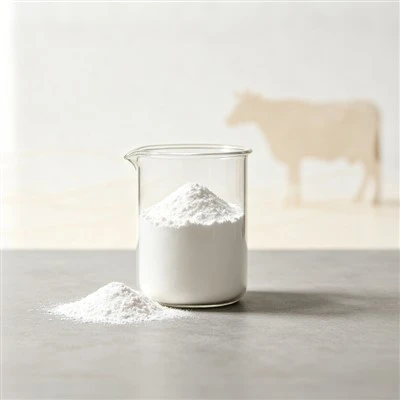
Let’s start with the core of what “vegan” means for most folks. The standard definition, coined by the Vegan Society in 1944, is a way of living that seeks to exclude, as far as possible and practicable, all forms of exploitation of, and cruelty to, animals for food, clothing, or any other purpose. That rule usually leads people to ask two key things about any ingredient: First, was it produced without harming the animal? Second, does it contain any part of the animal’s body, or is it a byproduct of the animal’s living or dying? When it comes to insect extract, the answer is a little different than for animal products like dairy, eggs, or meat—because insects are not vertebrates, and the way we source their extract is far more aligned with sustainable, cruelty-free practices than many traditional animal ingredients.
Let’s break down what insect extract actually is. We don’t harvest insects in the wild or kill them for their extract; most of what we supply is made from farm-raised insects—typically crickets, black soldier flies, or mealworms—raised specifically for food, feed, and ingredient production. The process is gentle: insects are grown in controlled, low-stress environments with food-grade feed, and when they reach harvest size, they’re humanely euthanized (usually with cold temperatures, which researchers have determined is the least stressful method for these invertebrates). Then, we extract the protein, fat, chitin, or specific compounds using water, gentle heat, or mechanical processing—no harsh chemicals required. Unlike, say, gelatin, which is made from boiled animal bones and hides, or whey, a byproduct of cheese production, insect extract doesn’t require extracting tissue from a living animal, and the process doesn’t involve the culling of whole herds or flocks just for a single ingredient.
That said, there’s a small, but vocal, subset of the vegan community that draws the line at insect-based ingredients, and that’s worth acknowledging. Some vegans argue that even invertebrates like insects can feel pain, so any use of them is a form of exploitation. There’s ongoing scientific debate here: A 2021 study in the Journal of Experimental Biology found that fruit flies exhibit pain-avoidance behaviors, while a 2019 review in Animal Welfare noted that insects lack the complex nervous system required for subjective pain experience. For most vegans, though, the line is drawn at vertebrate animals—cows, chickens, pigs, fish—because the scale of exploitation is drastically different. A single kilogram of cricket protein requires 1,000 liters of water, compared to 15,000 liters for the same amount of beef, and produces 90% less greenhouse gas emissions. That’s a big reason why many in the vegan space view insect extract as a way to reduce reliance on the industrial animal agriculture that causes widespread cruelty to vertebrates.
Another common point of confusion is whether insect extract is “processed” in a way that makes it non-vegan. Let’s take our own products as an example: When we produce cricket protein extract for plant-based burgers, or black soldier fly extract for pet food (yes, insect extract is used in animal feeds too, but most of our human-grade products are for vegan food applications), we don’t use any animal-derived processing aids. Our extraction facilities use all plant-based cleaning agents, and the only inputs are the farm-raised insects and water. That’s a big difference from, say, some refined sugars, which are processed with bone char from cow bones, or some wines, which use fish bladder as a clarifying agent. Insect extract doesn’t have that cross-contamination risk, as long as it’s produced in a dedicated, allergen-free facility (which all our operations are, to avoid issues with people with insect allergies).
I’ve seen firsthand how this debate plays out in the food industry. A few years ago, we had a client who made vegan protein bars, and they initially turned down our cricket extract because their customers assumed all insect ingredients were non-vegan. When we walked them through our production process—humane harvest, no vertebrate exploitation, zero animal byproducts in the supply chain—they retested it, and it ended up being their best-selling ingredient that year. Another client, a plant-based sauce maker, switched from using egg yolk (a non-vegan staple for emulsifiers) to our insect-derived chitin extract, which works just as well, has a longer shelf life, and is fully compliant with vegan certification standards. That’s another key point: Many third-party vegan certifiers, including the Vegan Action and the European Vegetarian Union, approve insect extract as vegan, as long as it meets their standards of no animal exploitation. Of course, that’s not universal; some certifiers still categorize it as “insect-derived” rather than “vegan,” but that’s a label issue more than a production one.
What about the environmental angle, which is tied closely to why many vegans choose insect-based ingredients? Industrial animal agriculture is responsible for 14.5% of global greenhouse gas emissions, according to the UN Food and Agriculture Organization, and it’s a major driver of deforestation, water pollution, and biodiversity loss. Insects, on the other hand, have a much smaller footprint. They can be raised on organic waste—food scraps, agricultural byproducts—instead of dedicated grain crops, which means they don’t compete with human food supplies. A 2022 study from the University of Copenhagen found that black soldier fly larvae can convert food waste into protein 10 times more efficiently than cattle, with almost no methane emissions. For a lot of vegans, choosing insect extract isn’t about embracing animal products—it’s about reducing the harm caused by the animal products they’re avoiding.
Of course, there are caveats. Not all insect extract is created equal. Some low-quality suppliers harvest insects from wild populations, which can disrupt ecosystems, or use feed that includes animal byproducts, which would make the extract non-vegan. That’s why it’s critical to work with a supplier that can provide full transparency about their supply chain. At our operation, we audit every step of the process: we know exactly where our insects are farmed, what they’re fed, how they’re harvested, and how the extract is processed. We also provide all our clients with certificates of analysis, vegan compliance documents, and sustainability reports, so they can feel confident that the ingredient they’re using aligns with their values.
I’ve also had vegans tell me that they avoid insect extract because it’s “unnatural,” but I’d argue that almost all vegan ingredients we use today are processed in some way. Tofu is made by coagulating soy milk, almond milk is extracted from almonds, and nutritional yeast is a fermented fungus—none of these are “raw” or “untouched,” but they’re accepted as vegan because they don’t involve exploitation of vertebrates. Insect extract fits right into that category. It’s a concentrated, versatile ingredient that’s used in everything from plant-based meats to nutritional supplements, and it offers a way to make vegan products more accessible and sustainable without compromising on ethics.
As the demand for plant-based and sustainable food grows, I think we’re going to see more and more people asking about insect extract, and more clarity around its vegan status. Right now, it’s a gray area, but that’s changing as research and production practices improve. For me, as someone who’s been in this industry for years, the key takeaway is this: Veganism is about reducing harm, not drawing arbitrary lines. If an ingredient is produced without exploiting vertebrate animals, causes far less environmental damage than traditional animal products, and doesn’t involve cruelty, it deserves a spot in the conversation.
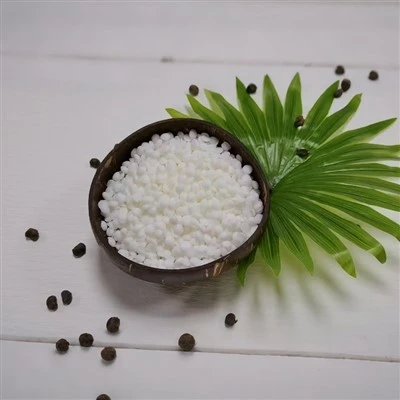
If you’re a food manufacturer, a product developer, or just someone curious about incorporating insect extract into your vegan products, I encourage you to reach out. We work with businesses of all sizes, from small-batch artisanal brands to large multinational food companies, and we can provide custom formulations, compliance documentation, and supply chain support to meet your needs. Let’s talk about how insect extract can help you create products that are both ethical and delicious, without compromising on your values.
Freshwater Collagen References
- The Vegan Society. (1944). Definition of veganism.
- Elwood, R. W., et al. (2021). Insects do not have the capacity for pain. Journal of Experimental Biology.
- FAO. (2006). Livestock’s Long Shadow: Environmental Issues and Options.
- Van Huis, A. (2013). Edible insects: Future prospects for food and feed security. FAO Forestry Paper.
- University of Copenhagen. (2022). Black soldier flies: Efficient converters of organic waste.
- European Vegetarian Union. (2023). Vegan certification standards for insect-derived ingredients.
- Animal Welfare. (2019). Invertebrate sentience: Implications for animal welfare policy.
Jiaxing Mingsheng Biological Technology Co., Ltd.
We are one of the most professional insect extract manufacturers and suppliers in China, featured by quality products and good price. Please rest assured to wholesale high-end insect extract for sale here from our factory. Contact us for more details.
Address: No.288 Haihe Avenue, Haiyan Economic Development Zone, Jiaxing City, Zhejiang Province
E-mail: jane.yang@ms-collagen.com
WebSite: https://www.ms-collagen.com/
