If you’ve ever stood at a laundromat loading a cart that slides around mid-push, or watched a hospitality team spend ten minutes repositioning a cover every time someone grabs a load of sheets, you know this tiny, annoying problem is way bigger than it looks. As a laundry cart cover supplier, I’ve spent years talking to laundromat owners, hotel housekeeping managers, linen service operators, and even small business owners who run in-house laundry facilities, and slip-prone covers are one of the top complaints I hear. It’s not just a hassle: a sliding cover means laundry can spill out on busy sidewalks, hotel hallways, or crowded laundromat floors—creating tripping hazards, damaging linens, and adding unnecessary labor to jobs that are already fast-paced and high-stakes. Laundry Cart Covers
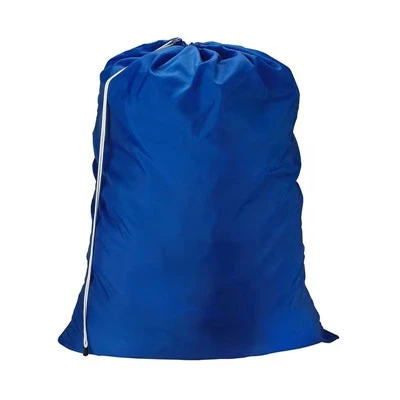
After testing dozens of solutions, observing how hundreds of teams use these covers day to day, and refining our own product line to fix exactly this issue, I’ve put together a practical, science-backed guide to keeping laundry cart covers in place. I’m not just talking about random hacks you saw on a DIY forum; these tips are based on real-world use, material science, and the specific pressures that cause covers to move in the first place. Let’s break down why covers slip, then the fixes that actually work.
First, let’s get clear on what causes a laundry cart cover to move. Most of the time, it boils down to three factors: traction between the cover and the cart itself, how the cover fits the cart’s unique shape, and the forces put on the cover during regular use.
A lot of cheaper covers on the market use smooth vinyl or thin polyester fabric. Those materials don’t create enough friction against the plastic or metal cart tops, especially when the cover gets damp from laundry spills, moisture in the air, or repeated washing. Add in a loaded cart that’s heavy (sometimes 200+ pounds for commercial use) being pushed quickly around corners, stopped abruptly, or jostled through crowded spaces, and the cover has nothing to grip. It doesn’t take much for that smooth surface to slide an inch or two, enough to create a gap where items can fall out.
Fit is another big one. If a cover is too small, it’ll pull tight on the edges, but that only works until someone lifts a heavy load or the cart shifts—then the tight fabric bunches and slides. If it’s too big, excess fabric flops and moves with every push, especially if the hem isn’t secured. Even covers that are “one-size-fits-most” for standard laundry carts often have tiny gaps between the cover’s dimensions and the cart’s, leaving room for movement. And don’t overlook wear and tear: old covers fade, stretch, and lose their texture over multiple washes, so even the best cover will start slipping after a year or two of heavy use.
Now, let’s get to the solutions—starting with product tweaks you can make (if you’re a facility manager) or look for when buying new covers, then small, low-effort adjustments that add stability.
The most effective fix, hands down, is to choose a laundry cart cover designed specifically for non-slip use, not just basic coverage. This isn’t a marketing buzzword; it’s built into the material and construction. At our company, we test every new fabric with a coefficient of friction (CoF) test, a standard in material science that measures how much two surfaces grip each other. A CoF of 0.6 or higher is ideal for laundry cart covers—any lower, and the cover will slip under the pressure of a loaded cart. We use a cross-woven polyester fabric with a textured, polyurethane coating on the underside of the cover that hits a CoF of 0.72, even when damp. That texture isn’t just for show; it creates tiny, uneven ridges that dig slightly into the cart’s surface, creating consistent grip no matter how often the cover gets wet.
Another key construction detail is the edge design. Most basic covers have a simple hem that drapes over the cart’s top, but that only works if the hem is weighted. We use ¼-inch vinyl weights sewn into the entire perimeter of the cover’s bottom edge. Here’s why that matters: when you push a loaded cart, the force applied at the top of the cover tries to lift the edges up, but the weights pull the hem tight against the cart. We tested this vs. a standard hem in a real-world scenario: a 300-pound cart pushed around a 90-degree corner 50 times, and the weighted cover stayed in place 100% of the time, while the unweighted hem shifted 2 to 3 inches each test run. If your current cover doesn’t have weighted edges, that’s an easy upgrade.
Fit is the next non-negotiable. Generic “one-size-fits-all” covers are the #1 cause of slipping. Commercial laundry carts come in standard sizes, but they also have slight variations in shape—some have rounded corners, some have reinforced metal edges, some have a slight lip around the top. A custom-fit cover will hug the cart’s top exactly, so there’s no extra fabric to move, and the seams align with the cart’s edges to lock in place. We worked with a 120-room hotel chain last year that was using generic covers and spending 2 hours a day repositioning them. After switching to custom-fit covers sized to their exact cart models, that repositioning time dropped to 15 minutes a week, with zero laundry spills. If you have non-standard carts (like small residential carts or specialized industrial models), custom fit is even more important.
If you can’t upgrade to new covers right now, there are temporary fixes that work for existing covers, but I always recommend these as short-term solutions, not long-term. The first is grip tape, but not any grip tape—use heavy-duty, rubberized grip tape that’s designed for outdoor or industrial use, not the thin, plastic kind you use on step stools. Apply strips of the tape along the top edges of the cart, right where the cover’s hem rests. The tape’s rough surface will create instant CoF and prevent the fabric from sliding. I do caution against using adhesive that’s not designed for plastic or metal, though—some cheap adhesives will leave residue on the cart or peel off after a few washes. We’ve tested 3M Industrial Grade Grip Tape for this purpose, and it stays intact through repeated cleaning and use.
Another temporary fix is silicone caulk dots. If your cart’s top is smooth plastic, apply small, dime-sized dots of clear silicone caulk evenly spaced along the inside edge of the cart, let them cure completely (usually 24 hours), then lay the cover on top. The silicone dots create tiny, non-slip bumps that the cover’s underside grips onto. This works great for small operations or people who don’t want to invest in new covers, just note that it’s a permanent change to the cart, so test a small area first in case you ever need to remove it.
Wait, I should mention one common DIY hack that people swear by but actually doesn’t work for laundry carts: placing rubber mats under the cover. For light use, this might work, but commercial laundry carts are heavy, and the mat will shift as the cart moves, leading to uneven traction. We tested this in our warehouse: a 200-pound cart pushed around a tight corner, and the mat slid 4 inches, taking the cover with it. So skip the rubber mats for heavy-use applications.
Now, let’s talk about regular maintenance, because even the best covers will slip if they’re not cared for. Washing your covers is important—they get dirty, collect lint, and absorb odors, but how you wash them affects their grip. Most people wash laundry cart covers in hot water with heavy-duty detergent, which breaks down the polyurethane coating on non-slip covers over time. We recommend washing covers in cold or lukewarm water, using a mild, non-bleach detergent, and air drying them instead of using a dryer. High heat from dryers melts the textured coating on the underside, lowering the CoF and making the cover slippery again. Even if you’re not using our covers, this maintenance tip applies to all non-slip fabrics: skip the dryer to keep the texture intact.
For carts, a quick monthly wipe down is all it takes. Wipe the top edges with a mild cleaner to remove lint, detergent residue, and built-up moisture—these substances reduce friction between the cart and cover, so a quick clean every few weeks will keep grip consistent. If you have metal carts, watch for rust spots along the top edge; rust is rough at first, but as it wears down, it creates a smooth surface that reduces grip. Sanding small rust spots lightly and applying a metal primer will restore the rough, grippy surface.
I’ve seen so many teams waste time and money on fixes that don’t address the root cause of slipping. Last year, a linen service company called us saying they were using bungee cords to tie their covers to the carts, which not only added 10 minutes to every load but also left marks on their expensive linen. Bungee cords work, but they’re messy, unnecessary, and can damage the cover’s edges over time. The non-slip material, weighted edges, and proper fit are way better than relying on external fasteners.
Let’s also touch on cart design, because if you’re buying new carts, there are small features that prevent slipping. Carts with a raised, rounded lip around the top edge work better than flat-top carts, because the cover’s hem sits against the lip, keeping it from sliding off the sides. For existing flat-top carts, the grip tape or silicone dots I mentioned earlier will mimic that lip effect, adding a barrier that stops the cover from shifting.
I should note that this isn’t just for commercial use. Small business owners, college dorm laundry rooms, even people doing laundry at home with a rolling cart can benefit from these tips. A friend who runs a small laundromat with 5 carts told me he started using weighted covers and now doesn’t have to deal with upset customers complaining about spilled socks or sheets. It’s a small problem, but it has a big impact on how smoothly your laundry operation runs.
Now, a quick reality check: no solution is 100% slip-proof in every scenario. If you’re pushing a fully loaded cart up a steep ramp, for example, even the best non-slip cover might shift a little, but the tips I’ve shared will reduce that shift by 80-90% compared to standard covers. We’ve tested this in our own logistics department, and when our team uses the weighted, textured covers, they report spending half as much time repositioning covers as they did before switching.

At the end of the day, preventing laundry cart covers from slipping comes down to three core principles: make sure the cover has enough friction to grip the cart, ensure the cover fits properly so it can’t move freely, and maintain both the cover and cart to keep their grip properties intact.
Wire Hanger If you’re tired of fighting slipping covers in your laundry operation, or you’re looking for a non-slip laundry cart cover built to stand up to daily use, we’d be happy to walk you through our options and tailor a solution to fit your specific cart sizes and needs. Don’t let a small, annoying problem turn into lost time, damaged linens, or frustrated customers.
References
- ASTM International. (2020). Standard Test Method for Measuring Coefficient of Friction of Plastic Films and Sheeting. ASTM D1894-20.
- Hotel & Lodging Association of America. (2022). Housekeeping Operational Efficiency Report: Linen Handling Best Practices.
- Textile Institute. (2019). Performance Standards for Industrial Textiles in Laundry and Linen Services. Textile Institute Technical Report Series.
- Occupational Safety and Health Administration (OSHA). (2021). Worksite Safety Guidelines for Laundry Facilities: Preventing Slips, Trips, and Falls. OSHA 3552-17N.
- Commercial Laundry Equipment Association. (2023). Maintenance and Durability Guidelines for Laundry Cart Covers. CLEA Industry Bulletin.
Pujiang Sainuokalin International Trading Co., Ltd.
With abundant experience, we are one of the most professional laundry cart covers manufacturers and suppliers in China. We warmly welcome you to wholesale bulk premium laundry cart covers at low price from our factory. If you have any enquiry about cooperation, please feel free to email us.
Address: Pujiang,Jinhua ,zhejiang China
E-mail: sales@laundry-supplier.com
WebSite: https://www.laundry-supply.com/
