Hey everyone, let’s cut to the chase—if you’ve ever dealt with skin that goes haywire when you put on regular store-bought socks, you’ve probably wondered: are custom socks actually hypoallergenic? As someone who’s been running a custom socks supply business for the last 8 years, I hear this question at least once a week from customers with super sensitive skin, eczema flare-ups, or even mild fabric allergies. It’s not a random question, either—most off-the-rack socks are loaded with stuff that can irritate the hell out of your feet, so it makes total sense that folks are hunting for a safer alternative. Custom Socks
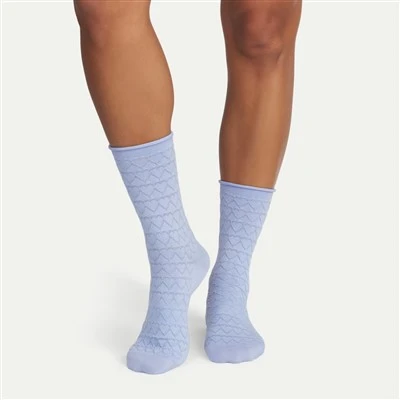
First, let’s back up and get what “hypoallergenic” actually means, because a lot of brands throw that term around like it’s a magic label. Hypoallergenic just means something’s less likely to trigger an allergic reaction or skin irritation—no product is 100% allergen-free, right? That’s key to remember. So when we’re talking custom socks, the whole point is that you’re picking every part of them, from the base fabric to the dyes, instead of whatever random blend a big fast fashion brand cranks out for a $5 bin at the supermarket.
Let’s start with the biggest culprit in regular socks: cheap, low-quality materials. Most mass-produced socks use a blend that’s cheap to make, like 80% polyester and 20% spandex, or even a mix of recycled fibers that might have residual chemicals from the manufacturing process. Wait, no, not all polyester is bad, but the cheap kind? It’s often coated with formaldehyde-based resins to keep it from shrinking or holding its shape longer. That formaldehyde stuff is a total nightmare for sensitive skin—studies link it to contact dermatitis, especially on feet which are cooped up in shoes 12+ hours a day, sweating and trapping that residue. Then there’s the fabric softener or anti-static coatings they add to the socks before packaging—same deal, those are full of perfumes and synthetic chemicals that can make your feet itch, turn red, or even break out in tiny blisters.
What do custom socks do differently here? Let’s break down the materials we use for our own custom orders, since that’s what I know best. We let customers pick their base fabric, but our go-to for hypoallergenic options is GOTS-certified organic cotton. GOTS means Global Organic Textile Standard, so that cotton is grown without any synthetic pesticides or fertilizers—no residual chemicals sitting in the fabric after it’s made, which is huge for people with allergies to common crop chemicals. Unlike regular cotton, which often gets bleached with chlorine (another irritant), our organic cotton gets a gentle, chemical-free bleach or sometimes just goes unbleached for a natural cream color.
A lot of folks with sensitive skin also avoid wool, but if you have the right wool, it’s actually great—merino wool, specifically, is super soft, not scratchy at all. The mass-produced wool socks you buy at the drugstore often use regular wool that’s been treated with harsh chemicals to stop it from smelling, which can irritate skin, but our custom merino wool is untreated, just sheared from the sheep, washed with mild detergent, and spun into fabric. It’s moisture-wicking too, so less sweat buildup, which means less chance of bacteria growing and triggering irritation. We also carry bamboo viscose fabric, which is naturally antimicrobial and hypoallergenic—bamboo has these tiny microfibers that kill odor-causing bacteria, so your feet stay drier longer, and it’s way softer than regular polyester blends.
Now, what about the parts that aren’t the base fabric? The tags, for example. I can’t tell you how many times customers have told me that the scratchy woven tag on the back of their store-bought socks is the thing that gives them a rash. That’s why all our custom socks can come with no tag at all—we can print the size or design directly on the inside of the cuff, or use a soft, heat-applied label that lays flat against the skin. No more rough fabric rubbing or irritating the back of your ankle. Also, the elastic in the cuffs and toes? A lot of cheap socks use elastic that’s made with natural rubber latex, which is a super common allergen. We use latex-free elastic for all our custom orders—It’s just a synthetic elastic that’s still stretchy enough to stay up on your calf without cutting off circulation, but won’t trigger a latex allergy. That’s a big one, I’ve had multiple customers with latex allergies tell me that’s the first thing they check when they place an order with us.
Then there’s the dyes. This is another huge one. Mass-produced socks use reactive dyes or acid dyes that are cheap, but they leave residual heavy metals like lead or nickel in the fabric, plus they’re full of synthetic pigments that can cause contact dermatitis. We use only OEKO-TEX Standard 100 certified dyes for our custom designs—OEKO-TEX means they’re tested to have zero harmful chemicals, no heavy metals, no formaldehyde, and they don’t leach out of the fabric when it gets wet. I’ve seen so many customers who had red, itchy feet after washing their old socks, switching to our dyed custom socks and their irritation went away within a week. That’s not a fluke.
Wait, but let’s be real—custom socks aren’t for everyone. If you’re someone who just needs a pair of socks to wear to the gym once, a $5 pair from the store might work, but if you have a history of skin allergies, eczema, or contact dermatitis, then custom socks are way more likely to be hypoallergenic than regular ones. But there are a few things to watch out for, even with custom options. For example, if you pick a fabric blend that’s got a small percentage of a synthetic fiber you’re allergic to, like if you’re allergic to acrylic and your custom socks are 5% acrylic, that could still trigger a reaction. That’s why we always ask customers if they have any specific allergies when they reach out to us—we’ll build a custom blend just for you, no random fibers added.
I should also mention that some people confuse “hypoallergenic” with “safe for all skin types,” which isn’t true. We’ve had a few customers say they tried our custom socks and still had a reaction, but when we looked into it, they had a specific allergy to a protein in even organic cotton (super rare, but it happens) so we switched them to a 100% bamboo blend instead, and that fixed it. That’s the advantage of custom—we can tweak every part to fit your needs, not just pick a one-size-fits-all “hypoallergenic” blend that might not work for you.
Let’s talk about real customer stories, because that’s way more convincing than anything I say. Last year, we had a customer named Mia reach out to us—she had severe eczema on her feet that would flare up every time she wore regular socks, even if they were “gentle” ones from a dermatologist brand. She told us she’d spent over $200 on special socks that still made her feet itch so bad she’d scratch until they bled. We made her a pair of custom organic cotton socks with latex-free elastic, no tag, and OEKO-TEX dyes. She sent us a message a month later saying her eczema flare-up was gone for the first time in 2 years. Another customer, Jake, had a latex allergy, and every sock he wore either had a latex cuff or a latex thread in the design. We made him custom socks with 100% cotton, no elastic (just a snug fit that stayed up without stretching), and he wears them every day now, no issues.
Now, what about myths I hear all the time? One big one is “all cotton socks are hypoallergenic.” Nah, that’s not true. The regular cotton socks at the store are usually treated with so many chemicals before they even hit the shelf that the cotton itself is barely pure. We get customers all the time who switch from regular cotton socks to our GOTS organic cotton custom socks and notice a difference right away. Another myth is “synthetic socks can’t be hypoallergenic.” That’s not true either—if you use high-quality synthetic fibers that are free of coatings and chemicals, they can be way better than cheap blends. Bamboo is a synthetic fiber? Wait, no, it’s a natural fiber, but polyester can be good if it’s OEKO-TEX certified and free of anti-static coatings. It’s all about what’s in the fabric, not whether it’s natural or synthetic.
If you’re someone who’s dealing with sock-related skin irritation, here’s what I’d advise. First, keep a note of what makes your irritation worse—do tags bother you? Elastic? Scratchy fabric? Dyes? That’s gonna help when you pick custom socks. Second, don’t just go for whatever brand says “hypoallergenic” on the package—read the ingredients. A lot of those brands add perfumes or hidden chemicals, so check the fine print. Third, if you’re ordering custom, work with a supplier that’s transparent about their materials, like we are. We can show you test results for our dyes and fabrics, tell you exactly what’s in every sock, no hidden stuff.
Wait, let’s also address a common concern: are custom socks more expensive than regular ones? Yeah, a little, but not as much as you think. We have bulk options for teams, businesses, or even just people who want multiple pairs, and the per-pair price is only a few dollars more than a nice pair of regular socks. And when you consider that you’re not spending money on over-the-counter hydrocortisone cream, or doctor’s appointments for contact dermatitis, it’s totally worth it. For people with chronic skin issues, that small extra cost is nothing compared to the relief of not having itchy, irritated feet every day.
I get that a lot of people are skeptical—we’ve been in this business long enough that we’ve had customers who tried custom socks before and they didn’t work, or who thought all hypoallergenic products are a scam. But that skepticism makes sense. That’s why we always encourage people to ask questions, ask for samples, and tell us exactly what their skin needs. We’re not here to push a product on you—we’re here to make socks that actually work for people with sensitive skin, because that’s who we are.
At the end of the day, are custom socks hypoallergenic? It depends on how they’re made. If they’re made with high-quality, chemical-free fabrics, no latex, no harsh dyes, no scratchy tags, then yeah, they’re way more likely to be hypoallergenic than the socks you buy at the gas station or grocery store. The whole point of custom is that you’re in control—you don’t have to settle for whatever blend a big brand cranks out to save a dime. You can pick every part to fit your skin, which is exactly what someone with allergies needs.
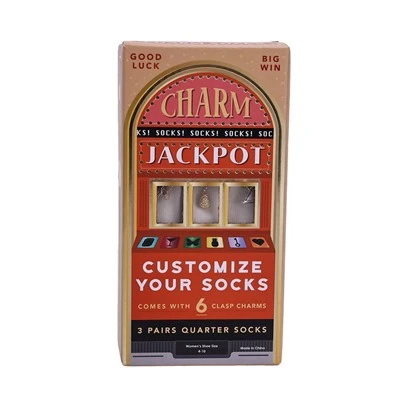
If you’re tired of dealing with sock-related skin irritation, or if you just want custom socks that are actually safe for your feet, reach out to us to talk through your needs. We can help you pick the right fabric, the right design, and make sure every part of your socks is as gentle as possible on your skin. Don’t suffer through itchy, red feet anymore—let’s make a pair (or a whole order) that works for you.
Custom Socks References
U.S. Food and Drug Administration. (2022). Contact Dermatitis: What You Need to Know.
Textile Institute. (2021). Hypoallergenic Textiles: Material Selection and Manufacturing Practices.
American Academy of Dermatology. (2020). Tips for Sensitive Skin Foot Care.
Global Organic Textile Standard (GOTS). (2023). Certification Requirements for Textile Products.
OEKO-TEX International. (2022). Standard 100 for Textiles: Chemical Restrictions and Testing Protocols.
Zhuji Fuchun Knitting Co., Ltd.
As one of the most professional custom socks manufacturers and suppliers in China, we offer a wide range of products with superior quality. Please feel free to wholesale bulk high quality custom socks made in China here from our factory.
Address: Building 6, No. 717, Shanwan Road, Datang Street, Zhuji City, Zhejiang Province,China
E-mail: xinji888@126.com
WebSite: https://www.fuchunsocks.com/
