In the realm of water treatment, the demand for high – quality water is ever – increasing, especially in industries with strict water quality requirements such as pharmaceuticals, microelectronics, and power generation. The choice of water treatment equipment plays a crucial role in ensuring that the treated water meets the stringent standards. As a supplier of High Temperature EDI (Electrodeionization) Modules, I often encounter questions from potential clients about whether our high – temperature EDI modules can be used in water treatment projects with strict water quality requirements. In this blog post, I will delve into this topic, exploring the capabilities of high – temperature EDI modules and their suitability for such projects. High Temperature EDI Module
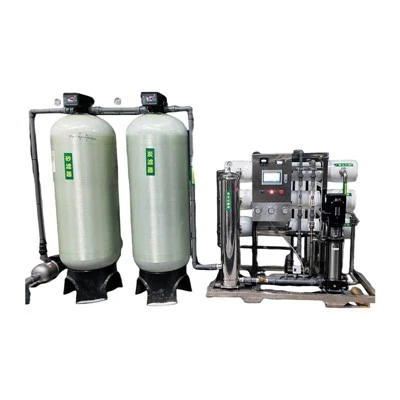
Understanding High Temperature EDI Modules
Before discussing their application in strict water quality projects, it is essential to understand what high – temperature EDI modules are. EDI is a water treatment technology that combines ion – exchange resins and ion – exchange membranes with an applied electric field to remove ions from water. It is a continuous, chemical – free process that can produce high – purity water.
High – temperature EDI modules are specifically designed to operate at elevated temperatures, typically ranging from 40°C to 60°C. This is in contrast to conventional EDI modules, which usually work at lower temperatures, around 20°C – 25°C. The ability to function at higher temperatures offers several advantages, including improved ion – exchange kinetics, which can lead to more efficient removal of ions from water.
Key Performance Indicators for Strict Water Quality Projects
When it comes to water treatment projects with strict water quality requirements, several key performance indicators (KPIs) are of utmost importance. These include resistivity, conductivity, total organic carbon (TOC), silica content, and microbial counts. Resistivity and conductivity are measures of the ability of water to resist or conduct an electric current, respectively, and are closely related to the concentration of ions in the water. High – purity water for semiconductor manufacturing, for example, may require a resistivity of 18.2 MΩ·cm at 25°C.
TOC is a measure of the amount of organic carbon present in water. In pharmaceutical and food – processing industries, low TOC levels are essential to prevent contamination of products. Silica is another critical parameter, especially in power generation plants, as it can cause scaling on heat – exchange surfaces and turbines. Microbial counts are also a major concern in many industries, as the presence of bacteria and other microorganisms can lead to product spoilage and health risks.
How High Temperature EDI Modules Can Meet Strict Water Quality Requirements
Ion Removal Efficiency
One of the primary benefits of high – temperature EDI modules is their enhanced ion – removal efficiency. At higher temperatures, the mobility of ions in water increases, which means that ions can move more freely through the ion – exchange resins and membranes in the EDI module. This results in a more rapid and thorough removal of ions from the water.
For example, in a water treatment project for a pharmaceutical company, where the water must be virtually free of all ions, a high – temperature EDI module can achieve lower levels of conductivity and higher resistivity compared to a conventional EDI module. The improved ion – transfer kinetics allow the high – temperature EDI module to remove even trace amounts of ions, such as sodium, chloride, and calcium, which are often difficult to eliminate completely.
Organic and Microbial Removal
In addition to ion removal, high – temperature EDI modules can also contribute to the reduction of TOC and microbial counts. The elevated temperature can help to break down some organic compounds, making them easier to remove through the EDI process. Moreover, the electric field applied in the EDI module can have a sterilizing effect on microorganisms.
In a food – processing facility, where the water used for production must have low TOC and microbial levels, a high – temperature EDI module can be an effective solution. By operating at a higher temperature, the module can help to ensure that the water meets the strict hygiene and purity requirements of the industry.
Silica Removal
Silica removal is a critical task in water treatment for power generation plants. High – temperature EDI modules are particularly effective in removing silica because the higher temperature enhances the dissociation of silicic acid, making it easier for the silica ions to be removed by the ion – exchange process.
In a steam – power plant, where silica can cause significant damage to the turbine blades if not properly removed, a high – temperature EDI module can provide a reliable solution. By maintaining a consistent and effective silica removal rate, the module helps to ensure the long – term operation and efficiency of the power generation equipment.
Challenges and Considerations
While high – temperature EDI modules offer many advantages for water treatment projects with strict water quality requirements, there are also some challenges and considerations that need to be addressed.
Material Compatibility
The materials used in high – temperature EDI modules must be able to withstand the elevated temperatures without degrading. This requires careful selection of polymers for the ion – exchange membranes and resins, as well as the housing materials. Our company has invested heavily in research and development to identify and use high – quality, temperature – resistant materials that can ensure the long – term performance of our high – temperature EDI modules.
Energy Consumption
Operating EDI modules at higher temperatures generally requires more energy. However, it is important to note that the improved efficiency of ion removal at high temperatures can often offset the increased energy consumption. Additionally, our high – temperature EDI modules are designed with energy – saving features, such as optimized electrode designs and advanced control systems, to minimize energy use while maintaining high performance.
Maintenance and Monitoring
High – temperature EDI modules may require more frequent maintenance and monitoring compared to conventional EDI modules. The higher temperatures can accelerate the wear and tear of components, and regular checks are necessary to ensure that the module is operating within the specified parameters. Our company provides comprehensive after – sales services, including maintenance training, remote monitoring, and quick replacement of parts, to ensure the smooth operation of our high – temperature EDI modules.
Real – World Applications
To illustrate the effectiveness of high – temperature EDI modules in water treatment projects with strict water quality requirements, let’s look at some real – world examples.
Pharmaceutical Industry
In a large pharmaceutical manufacturing plant, the company was facing challenges in producing high – purity water that met the strict regulatory requirements. They were using a conventional water treatment system, but the water quality was not consistent, especially in terms of resistivity and TOC. After installing our high – temperature EDI module, the plant saw a significant improvement in water quality. The resistivity of the treated water increased to the desired level, and the TOC was reduced to below the detection limit. This not only ensured the quality of their pharmaceutical products but also reduced the risk of regulatory non – compliance.
Microelectronics Industry
In the microelectronics industry, where even the smallest particle or ion in the water can cause defects in semiconductor chips, high – purity water is essential. A leading semiconductor manufacturer switched to our high – temperature EDI module in their water treatment process. The module was able to remove approximately 99.9% of ions from the water, ensuring a consistent and high – quality water supply for their chip – manufacturing operations. The improved water quality contributed to a significant reduction in product defects and an increase in production yield.
Conclusion
In conclusion, high – temperature EDI modules can indeed be used in water treatment projects with strict water quality requirements. Their enhanced ion – removal efficiency, ability to reduce TOC and microbial counts, and effectiveness in silica removal make them a valuable asset for industries such as pharmaceuticals, microelectronics, and power generation.
Although there are challenges such as material compatibility, energy consumption, and maintenance, these can be effectively managed through proper design, selection of materials, and comprehensive after – sales services. At our company, we are committed to providing high – quality high – temperature EDI modules that meet the most stringent water quality requirements.
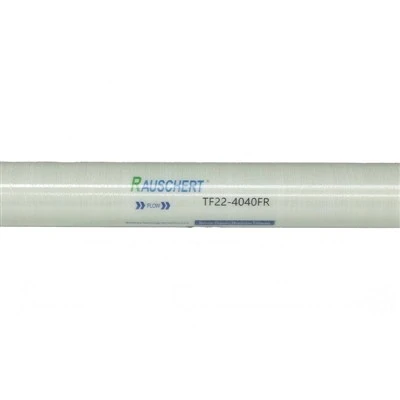
Nanofiltration Membrane If you are involved in a water treatment project that demands high – quality water, we invite you to contact us for a detailed discussion. Our team of experts can provide you with in – depth information about our high – temperature EDI modules, help you assess their suitability for your project, and offer customized solutions to meet your specific needs.
References
- "Water Treatment Technology Handbook" by McGraw – Hill
- "Principles of EDI in Water Treatment" by Wiley – InterScience
- Industry whitepapers on high – purity water production for pharmaceuticals, microelectronics, and power generation.
Fujian Huamo Technology Co., Ltd.
Fujian Huamo Technology Co., Ltd. is one of the most professional high temperature edi module manufacturers and suppliers in China, featured by quality products and good service. Please rest assured to wholesale the best high temperature edi module made in China here and get price list from our factory. Contact us for custom service and OEM service.
Address: No.6 Hengtong Rd, Shanmei Village, Xiamei Town, Nanan City, Fujian Province, China
E-mail: info@huaromembrane.com
WebSite: https://www.hmromembrane.com/
